
Flat sedge
Blysmus compressus
Description
Growing requirements
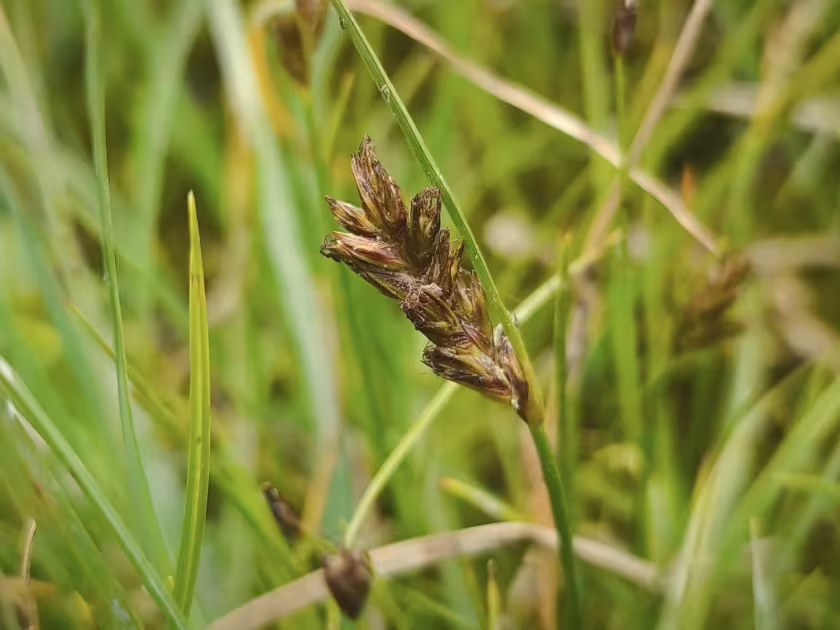
Blysmus compressus, commonly known as the flat sedge, is a perennial herbaceous plant belonging to the Cyperaceae family. In agricultural and land management contexts, it is considered a vital component of natural vegetation in wetland areas and riparian zones.
The plant features a creeping rhizome system that allows it to effectively colonize areas with high soil moisture levels. It typically thrives in low-lying marshes, along the banks of water bodies, and in permanently damp meadows, serving as a reliable indicator of specific hydrological conditions.
For optimal growth, this species requires mineral-rich soils with a high water table. It is well-adapted to temperate climates and can withstand prolonged flooding, which is a common occurrence in its native habitat across Europe and Western Asia.
From an agrotechnical perspective, the flat sedge is valuable for soil stabilization. Its dense root system holds the soil together, preventing erosion in flood-prone areas where traditional agricultural crops would fail due to waterlogging.
The plant is highly resilient to environmental stress, particularly in anaerobic soil conditions. Its presence helps maintain a stable turf layer, providing ecological services that support the overall biodiversity and health of wet meadow ecosystems.
Harvesting
The agricultural use of Blysmus compressus is primarily focused on its contribution to natural hay meadows. Harvesting is typically conducted during the flowering or early fruiting stage to ensure maximum nutritional value and biomass quality.
Because these plants grow in wetland environments, harvesting operations require specialized low-ground-pressure equipment to avoid damaging the soil structure. Proper management ensures the persistence of the plant stand for subsequent seasons.
In hay production, the flat sedge serves as a source of minerals, contributing to the nutritional profile of the forage. When harvested at the correct time, the hay is palatable and beneficial for livestock grazing on these types of wetlands.
Post-harvest management involves controlled grazing, which encourages regrowth and prevents the encroachment of invasive woody species. This balanced approach maximizes the productivity of the land while maintaining the ecological balance of the meadow.
Drying the biomass can be challenging due to the high natural moisture content of the stalks. Efficient turning and tedding are necessary to ensure the hay is dried thoroughly and to prevent spoilage, ensuring a high-quality forage product for winter use.