
Vaccinium-leaved bistort
Bistorta vacciniifolia
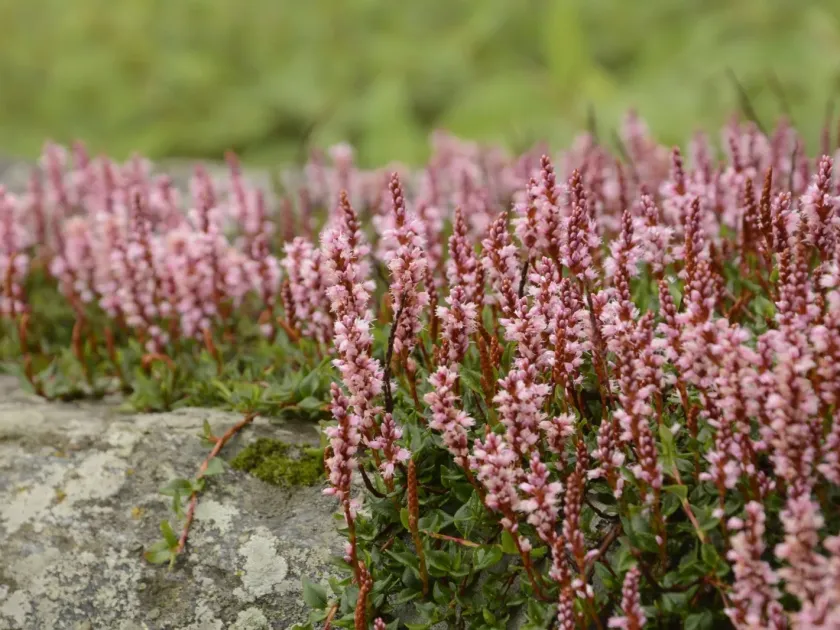
Description
Sowing dates
Sowing seeds of Bistorta vacciniifolia is best performed in late autumn or early winter, as the seeds require a long period of cold stratification to germinate. In professional nurseries, seeds are sown in trays with a light substrate immediately after collection.
For spring sowing, seeds require artificial stratification for 1–2 months at approximately +4°C. Only after completing this dormant period are the seeds ready to germinate in greenhouse conditions or open ground.
The optimal substrate for sowing should consist of a mixture of peat, sand, and turf soil in equal proportions. The sowing depth should not exceed 0.5–1 centimeter, as these small seeds require shallow placement to emerge successfully.
Seedlings emerge unevenly, so it is essential to maintain consistent soil moisture until the first true leaves appear. After pricking out, the young plants should be grown in a protected area for one season before transplanting.
Vegetative propagation by division is the most efficient method to maintain varietal characteristics. The best time for division is early spring or late August, when the plant is in its period of relative dormancy.
Growing requirements
Bistorta vacciniifolia belongs to the Polygonaceae family and is a typical alpine plant adapted to cool and moist climates. In the wild, it is native to the mountain regions of the Himalayas at altitudes up to 4000 meters.
The plant prefers moderately moist, well-drained soils with a high content of organic matter. Water stagnation in the root zone is lethal for the culture, as it leads to rapid rotting of the rhizome system.
For normal development, the bistort requires partial shade or diffused sunlight, as direct midday rays can cause scorching of its small, leathery leaves. Areas with morning light are ideal for planting.
The culture exhibits high frost resistance and can survive harsh winters under a protective layer of snow. In regions with snowless winters, mulching the root zone with peat or fallen leaves is required to prevent desiccation.
A crucial success factor is soil pH: the plant develops best in slightly acidic or neutral soils. Liming the soil is strictly not recommended, as it hinders the growth and vitality of the bistort.
Main diseases and pests
The main danger for Bistorta vacciniifolia comes from fungal diseases that develop under conditions of excessive moisture and poor air circulation. Primarily, these include root rots and various leaf spots.
Disease prevention consists of adhering to a strict irrigation schedule and timely thinning of the plants. It is important to avoid overcrowding to ensure free airflow reaching the base of the plant.
Among pests, slugs and snails cause the most damage, as they are particularly active during rainy periods. They feed on young shoots and leaves, reducing the decorative value of the culture significantly.
These pests suck sap from the foliage, which can weaken the plant and trigger secondary infections. Mechanical traps and authorized biological control agents are effective for managing these infestations.
The overall agronomic resistance of the culture is quite high, and provided the site is chosen correctly, significant pest attacks and disease outbreaks are very rare in established plantings.