
Bistorta suffulta
Bistorta suffulta
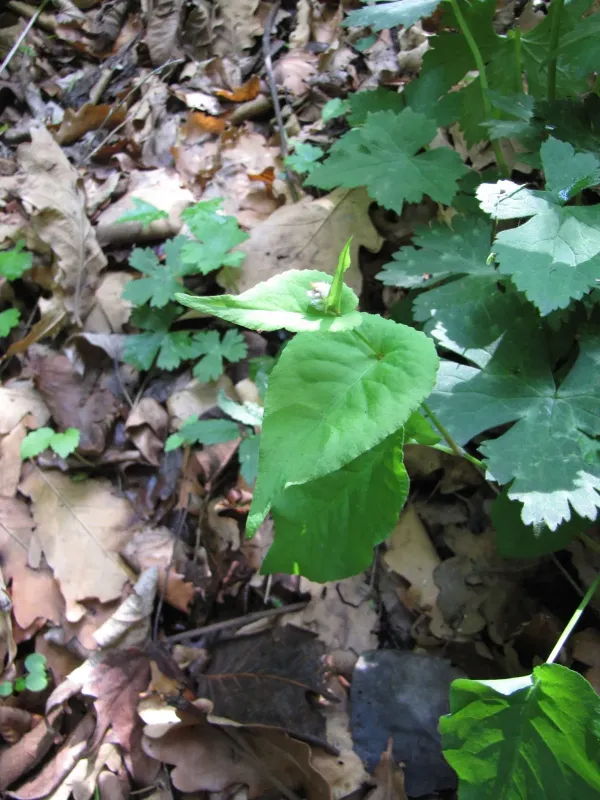
Description
Sowing dates
Sowing seeds of Bistorta suffulta is recommended in late autumn, as the seeds require natural stratification for successful germination. For spring sowing, it is necessary to pre-treat the seed material in a refrigerator at 2–5 degrees Celsius for 30–45 days.
Seeds should be sown in open soil at a depth of no more than 1–2 centimeters. Rows should be spaced 45–60 centimeters apart, allowing sufficient room for the plant to develop a robust root system during the subsequent years.
The optimal time for spring sowing is late April or early May once the soil temperature reaches 8–10 degrees Celsius. Early planting helps the seedlings establish strong roots before the peak of summer heat.
Vegetative propagation via rootstock division is a highly effective method for commercial cultivation. Dividing the clumps should be performed in early spring before active sap flow begins or at the end of the growing season in September.
When using a nursery method, seeds are sown in trays in February while maintaining moderate soil moisture. The established seedlings are transplanted to their permanent location once the risk of night frost has passed.
Growing requirements
Bistorta suffulta is a perennial herbaceous plant of the Polygonaceae family that thrives in moist, organic-rich loamy soils. The optimal pH level for this crop falls within the slightly acidic to neutral range.
The plant is quite cold-hardy, which is attributed to its origin in the regions of the Russian Far East. It withstands harsh winters well and does not require additional protection if a stable snow cover is present.
The planting site should be well-lit, although in southern regions, the plant develops better in partial shade. Direct sunlight in combination with insufficient moisture can lead to premature wilting of the foliage.
Regular irrigation is required during dry spells, especially during the active growth phase of the biomass. Stagnant water must be avoided, so installing a drainage layer in heavy soils is a mandatory requirement.
Weed control is essential during the first two years of the plant's life. Regular cultivation between rows promotes root aeration and encourages intensive growth of the aerial parts of the plant.
Yield
The commercial use of Bistorta suffulta is primarily focused on harvesting the rootstocks, which possess significant medicinal properties. Under proper care, the yield of dried raw material can reach 3–5 tons per hectare.
Maximum rootstock productivity is achieved in the 3rd or 4th year after planting. By this time, the underground parts have accumulated the highest concentration of beneficial tannins and flavonoids.
The aerial part of the plant can also be used as a vitamin-rich fodder or as raw material for extracts. The green mass should be harvested before the start of fruiting to preserve its nutritional value.
Yield stability depends on planting density; the optimal density is 4 to 6 plants per square meter. Overcrowding leads to reduced rootstock mass due to intense competition for nutrients.
To maintain high yields, annual fertilization with phosphorus and potassium-based fertilizers is performed during the budding stage. Organic matter is typically incorporated into the soil during plowing or added to holes during spring planting.
Main diseases and pests
Bistorta suffulta is highly resistant to most common agricultural diseases. However, excessive irrigation and poor soil aeration can lead to root rot caused by soil-borne pathogenic fungi.
Under conditions of high humidity, the plantations may suffer from leaf spot diseases. To prevent the spread of infection, it is crucial to promptly remove damaged leaves and ensure proper spacing between plants.
Leaf-eating insects and aphids pose the greatest threat, especially when they attack young shoots in the spring. Biological insecticides or natural botanical infusions are recommended for pest management.
Slugs can cause damage to young seedlings, particularly during rainy weather. Control measures include maintaining clean rows and using physical barriers or traps when necessary.
Disease prevention involves crop rotation, with the culture returning to the same site no sooner than every five years. Healthy soil and a proper water regime are the primary factors in resisting phytopathogens.
Harvesting
The harvest of Bistorta suffulta rootstocks is conducted in late autumn as the aerial parts begin to wither. During this period, nutrients are maximally concentrated in the underground organs, ensuring high-quality raw material.
Rootstocks are excavated using plows or cultivators, then thoroughly cleaned of soil residues and washed with cold running water. Any damaged or decayed parts must be removed before drying.
The raw material is dried in specialized drying chambers at a temperature not exceeding 50–60 degrees Celsius or in well-ventilated covered areas. Care should be taken to avoid over-drying, which can lead to the loss of valuable components.
After drying, the material is sorted to remove stem residues and fine root hairs. The finished product is packed in fabric bags or paper packages for long-term storage in a dry, dark place.
Harvesting of the green mass is done mechanically during the flowering phase. The harvested material is dried quickly in thin layers to preserve the green color of the leaves and prevent premature fermentation.