
Meadow bistort
Bistorta alopecuroides
Description
Growing requirements
Meadow bistort (Bistorta alopecuroides) is a perennial herbaceous plant belonging to the Polygonaceae family. It is recognized for its thick, rhizomatous root system, which acts as the main storage organ for its valuable phytochemical compounds.
The plant originates from the mountainous regions of Central Asia. It is naturally adapted to subalpine meadows and riverbanks, thriving in environments characterized by high soil moisture and cooler air temperatures typical of elevated terrains.
Cultivation requires well-drained, fertile soil that remains consistently moist. Loamy or sandy-loam soils are ideal, as they allow for healthy root development without creating a risk of waterlogging, which could inhibit growth or trigger diseases.
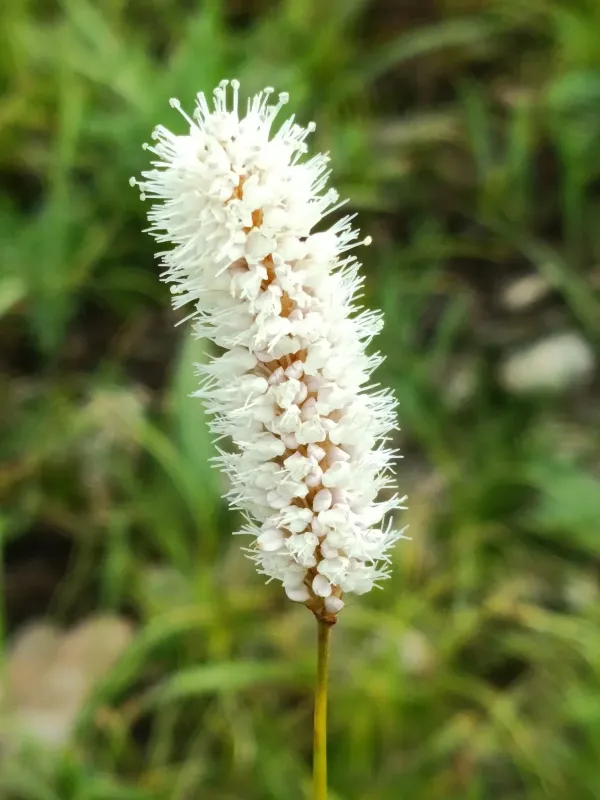
Regarding light requirements, the plant prefers full sun to partial shade. Ensuring proper light exposure is essential for photosynthesis and the development of the dense, fox-tail-like inflorescences that make this plant visually striking.
Agronomic management involves maintaining soil health and managing weeds, particularly during the establishment phase. Once established, the plant is quite hardy, showing excellent resistance to harsh winters and early seasonal frost.
Harvesting
The primary economic use of this crop is in the pharmaceutical and herbal medicine industry. The rhizomes are harvested for their high concentration of tannins and other active pharmacological compounds used in herbal preparations.
Harvesting is traditionally carried out during the plant's dormancy phase—either early in the spring or late in the autumn. This timing ensures that the rhizomes have the highest density of active ingredients required for high-quality botanical extracts.
The harvested material requires systematic processing, starting with thorough cleaning to remove soil particles and fibrous rootlets. Proper washing is essential to maintain the purity and sanitary standards of the raw material intended for extraction.
Drying must be performed carefully in controlled conditions, ensuring the material is protected from direct sunlight while exposed to good air circulation. Maintaining proper temperature levels during drying is vital to preserve the volatile components of the root.
In addition to medicinal use, Bistorta alopecuroides is valued in ornamental horticulture. Its unique inflorescence structure adds texture to flower beds, making it a reliable and low-maintenance choice for sustainable landscaping projects.