
Bistorta macrophylla
Bistorta macrophylla
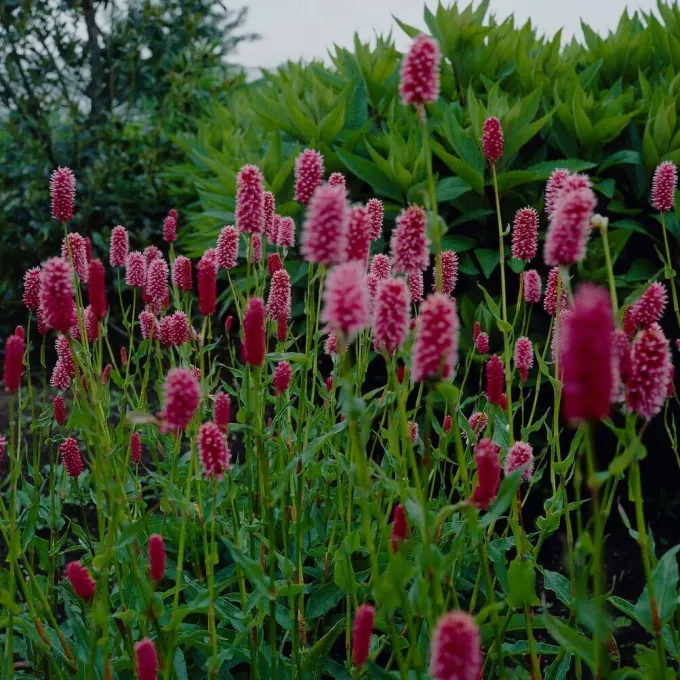
Description
Sowing dates
The planting of Bistorta macrophylla is best carried out in the spring, once soil temperatures reach 5–8 degrees Celsius. In temperate climates, the ideal window for sowing occurs from mid-April to early May.
In large-scale cultivation, seeds are sown in rows with spacing between 45 and 60 centimeters. Planting depth should be maintained at 1.5–2 centimeters to ensure uniform germination and seedling emergence.
Vegetative propagation via root division is another viable method, typically performed in the early autumn. This timing allows the root system to establish itself firmly before the arrival of harsh winter frosts.
After seeding, it is recommended to firm the soil surface to improve seed-to-soil contact. The plant develops slowly during the first year of life, focusing on establishing a rosette of large basal leaves.
Target plant density by the time the rows close should be approximately 8–10 plants per square meter to ensure optimal biomass production per hectare.
Growing requirements
Bistorta macrophylla is a moisture-loving species that demands consistent soil and atmospheric moisture levels. The best growth results are achieved in regions with frequent rainfall and high relative humidity.
Cultivation requires fertile loamy or sandy-loam soils with a neutral or slightly acidic pH. The plant is sensitive to waterlogged conditions, making adequate drainage a mandatory requirement for long-term health.
The species exhibits high winter hardiness, a trait typical for alpine plants of the Polygonaceae family. It can withstand severe sub-zero temperatures when covered by a protective layer of snow.
While the plant thrives in well-lit areas, it also demonstrates tolerance to partial shade. Exposure to direct sunlight is essential for the accumulation of bioactive compounds within the foliage.
Applying mineral fertilizers, particularly nitrogen-based ones in the spring, significantly stimulates vegetative growth. The plant also responds positively to organic amendments that improve soil structure and moisture retention.
Yield
Yield capacity for this crop depends heavily on the age of the plantation and the quality of agricultural management. Peak productivity is typically observed from the second to the third year of growth.
The green mass of this plant has high nutritional value, making it a promising candidate for livestock feed supplementation. The average dry matter yield ranges from 4 to 7 tons per hectare.
Yield can be increased by harvesting twice per season, provided the plants are not exhausted. Careful management of harvest frequency is vital to ensure the longevity and health of the rootstocks.
Harvest quality is strictly tied to the growth stage, with vitamin and protein levels peaking just before the flowering phase begins. Timely harvesting is the key to producing high-grade agricultural raw materials.
A stable yield can be maintained for 5–8 years on the same field, after which the plantation should be replanted to maintain maximum economic efficiency.
Main diseases and pests
High humidity conditions may expose the crop to fungal diseases, such as leaf spot or powdery mildew. Preventative measures include maintaining optimal spacing to encourage air circulation between plants.
Root rot represents the most serious threat, especially in soils with poor drainage. Infected plants should be removed immediately to prevent the spread of the pathogen to the rest of the stand.
Wireworms can occasionally cause damage to the underground root system. Regular mechanical weeding and following proper crop rotation sequences are effective ways to control soil-borne pest populations.
Aphids may occasionally target tender young shoots during active growth phases. In cases of significant infestation, localized application of approved insecticides may be necessary to protect the plant health.
Strict adherence to crop rotation is an essential strategy for long-term plantation protection. Re-planting this species on the same field is discouraged for at least three years after the previous stand removal.
Harvesting
The aerial parts of the plant are harvested during the phase of active vegetative growth, ideally just before the onset of flowering. This stage ensures maximum concentration of nutrients and phytochemicals.
Harvesting is performed using mowers set to a cutting height of 8–10 centimeters above the soil level. This method protects the plant's growth points, allowing for rapid regeneration for future cycles.
Once harvested, the green mass must be transported to processing facilities immediately. Delayed handling can lead to fermentation and quality degradation due to heat accumulation within the raw mass.
For medicinal use, the leaves are dried in well-ventilated rooms or specialized dryers at temperatures not exceeding 45 degrees Celsius to preserve their color and chemical profile.
Autumn harvesting occurs after the growing season concludes, leaving low stubble in the field to assist in snow retention throughout the winter months, protecting the root zones from deep freezing.