
Bistorta hayachinensis
Bistorta hayachinensis
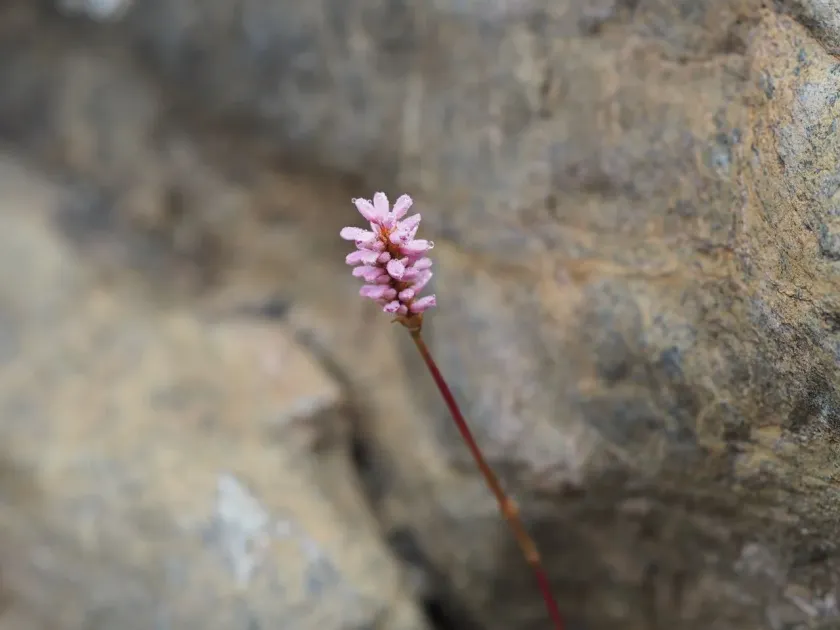
Description
Growing requirements
Bistorta hayachinensis is a perennial herbaceous plant belonging to the Polygonaceae family. It is native to the high-altitude regions of Mount Hayachine in Japan, making it a specialized alpine species.
The plant exhibits a rosette-forming growth habit with distinct, dense, spike-like inflorescences. It is morphologically adapted to high-wind environments and rocky substrates where root stability is essential.
For cultivation, this plant requires well-draining, cool soils. It thrives best in environments that mimic its natural alpine habitat, ensuring adequate moisture levels during the growing season while preventing waterlogging.
The climate requirements include a preference for temperate, cooler conditions. It is remarkably hardy, showing resilience against frost, which makes it suitable for rock gardens in various temperate zones.
Agricultural techniques focus on maintaining consistent soil structure. Regular monitoring of the pH level is advised, as the plant prefers slightly acidic to neutral soils to maximize nutrient uptake.
Main diseases and pests
Root rot is the most significant threat to Bistorta hayachinensis, primarily triggered by poor soil drainage. Ensuring a proper gravel layer beneath the soil is essential for long-term survival.
Fungal pathogens such as leaf spot can occur if humidity levels remain stagnant around the foliage. Good air circulation is a primary preventative measure against such issues.
Pests including gastropods like slugs and snails are highly attracted to the tender foliage during the spring. Protection barriers are often implemented to preserve the integrity of the plant.
In drier climates, spider mites may become a localized issue. Routine irrigation management and foliage cleaning help in maintaining plant vigor and pest suppression.
Maintenance includes pruning spent flower stalks to prevent fungal spores from settling on decaying plant matter, which significantly contributes to overall garden sanitation.