
Okhotsk bistort
Bistorta ochotensis
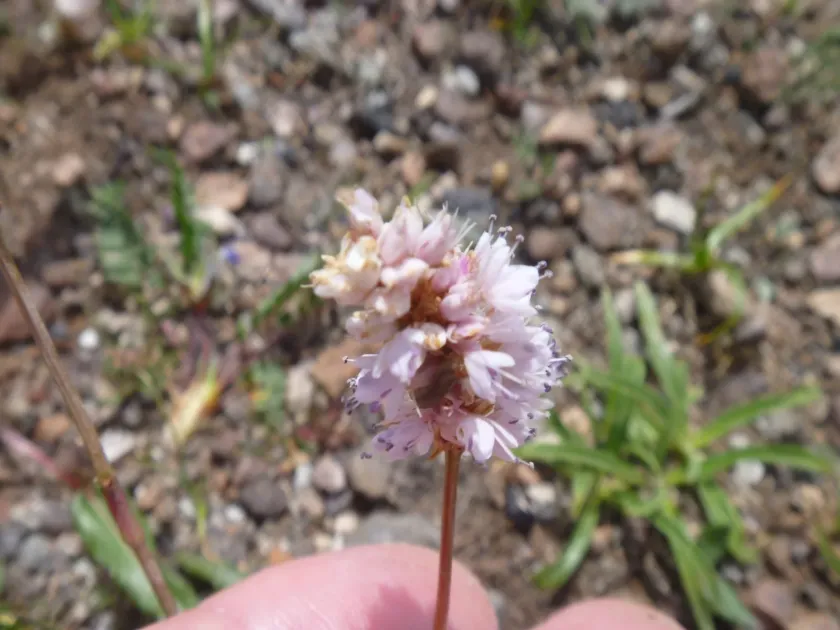
Description
Growing requirements
Okhotsk bistort (Bistorta ochotensis) is a perennial herbaceous plant belonging to the Polygonaceae family. Originating from the Far East, this species is well-adapted to cool, humid environments and naturally occurs in meadows and alpine zones.
The plant features a stout rhizome and a rosette of leaves, which allows it to store energy reserves effectively. Its hardy nature makes it a robust candidate for cultivation in regions with cold winters and temperate summers.
The cultural requirements are focused on soil moisture and structure. The crop thrives in moisture-retentive, fertile soils that provide excellent drainage, preventing waterlogging of the sensitive root system.
Agronomic practices involve consistent irrigation during dry spells to ensure steady leaf production. While it can handle partial shade, the plant performs best in locations where it receives ample light for photosynthesis, enhancing its vigor.
Economically, Okhotsk bistort is utilized for its potential medicinal properties and as an ornamental plant. Its rhizomes are rich in tannins, making them a subject of interest for pharmaceutical applications and traditional botanical practices.
Main diseases and pests
Like many perennial crops, Okhotsk bistort is susceptible to fungal pathogens if grown in stagnant air conditions. Rust and leaf spot diseases are the most common concerns in overly humid nurseries.
Pest pressure from aphids and mites can impede growth during the early stages of the growing season. Early detection and integrated pest management are essential to maintain plant health without relying solely on chemicals.
To mitigate these risks, proper spacing is required to ensure good airflow. Removing plant debris from the previous season significantly reduces the incidence of overwintering pathogens in the field.
Monitoring the soil's pH and nutrient content helps maintain the plant's natural resilience, as nutrient-deficient plants are more prone to pest attacks and disease progression.
In cases of severe infestation, targeted applications of organic-certified pesticides can be used, provided that the intended use of the plant remains focused on sustainable harvest practices.