
Bistorta carnea
Bistorta carnea
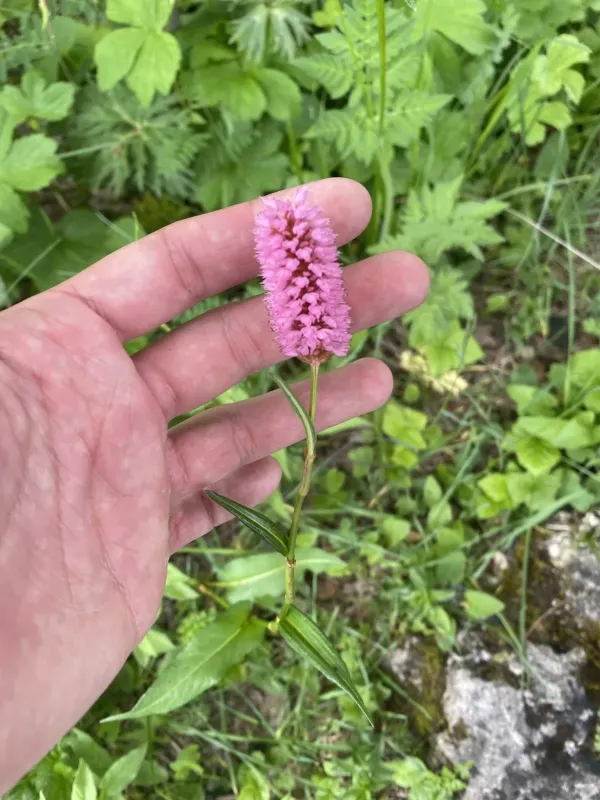
Description
Sowing dates
Bistorta carnea is a perennial herbaceous plant belonging to the Polygonaceae family. It is valued for its hardiness and medicinal properties. Propagation is primarily achieved through rhizome division, which ensures genetic consistency and faster establishment of new plantations.
The optimal planting time is during the autumn, typically in September or October. This allows the root system to become established before the onset of winter, ensuring that the plants are ready for vigorous growth when spring arrives.
If seeds are used for propagation, they require a period of stratification (cold treatment) to break dormancy. Sowing them directly into the soil before winter is a common practice that mimics natural cycles and improves germination rates significantly.
When establishing a plantation, plants should be spaced approximately 45–60 cm apart. This spacing is crucial for allowing the leafy rosettes to develop fully without overcrowding, which helps in maintaining good air circulation.
Before planting, the soil should be prepared by clearing existing weeds and enriching it with compost or well-rotted manure. A well-drained, fertile soil structure is essential for the healthy development of the rhizomes.
Growing requirements
This crop thrives in sunny locations but can tolerate partial shade. While it is quite adaptable, exposure to direct sunlight for the majority of the day generally promotes stronger stem growth and better development of the root system.
Moisture management is key, as the plant prefers consistently moist soil but cannot tolerate waterlogging. Poor drainage can lead to root rot, which is the most common cause of failure in poorly managed plots.
The ideal soil for Bistorta carnea is a fertile, slightly acidic to neutral loam. If the soil is heavy clay, the addition of organic matter or coarse sand will significantly improve drainage and aeration, benefiting plant growth.
The plant is highly frost-hardy and does not require special winter protection in most temperate climates. It enters a dormant phase during the winter and resumes growth as soon as the soil temperatures increase in the spring.
Regular maintenance, such as shallow weeding and mulching, helps maintain soil moisture and reduces competition from unwanted species. This simple cultural practice is often enough to keep the crop healthy and productive.
Yield
The primary harvestable part of Bistorta carnea is its rhizome, which is rich in tannins and other bioactive compounds. Harvest is typically performed after three to four years of growth, when the rhizome mass is well-developed.
Average yield for dried rhizomes is usually between 1.5 and 2.5 tonnes per hectare, depending on soil fertility and management practices. Implementing proper irrigation during dry spells can significantly increase the total biomass harvested.
The quality of the final product depends heavily on harvest timing and proper drying techniques. The rhizomes should be processed immediately after harvesting to prevent spoilage and loss of medicinal properties.
While the rhizomes are the main goal, the above-ground biomass also has potential uses. In some ornamental applications, the beauty of the flowering stalks is considered a secondary benefit of the crop.
Future profitability relies on efficient harvest mechanization. As the crop becomes more popular, the use of specialized digging equipment has helped to lower the overall cost of production for growers.
Main diseases and pests
Bistorta carnea generally exhibits high resistance to most pests. However, poor drainage remains the greatest threat, as it predisposes the plant to fungal infections and root rot, which can devastate a plantation.
Powdery mildew can occur during humid and warm periods with limited airflow. Maintaining proper plant spacing is the best preventive measure to ensure air movement around the leaves and reduce the risk of infection.
Leaf-eating insects, such as specific caterpillar species, may occasionally feed on the foliage. While usually not severe, farmers should monitor their crops regularly to address any outbreaks early on.
Crop rotation is an essential strategy to prevent the buildup of soil-borne pathogens. It is advised to avoid planting this species in areas previously occupied by other members of the Polygonaceae family.
When treatment is necessary, opting for organic fungicides or biological control methods is highly recommended, especially since the crop is intended for pharmaceutical or food-related use.
Harvesting
Harvesting should take place in late autumn after the aerial parts have naturally withered. This ensures that the plant has stored the maximum concentration of nutrients in the underground rhizomes.
The rhizomes are extracted from the soil using mechanical diggers or specialized ploughs. After extraction, they must be cleaned of all soil particles, debris, and smaller, non-marketable roots.
Once washed, the rhizomes should be sliced into smaller pieces to facilitate even and rapid drying. Drying is conducted in controlled environments at temperatures no higher than 60°C to preserve active ingredients.
The final dried product must be stored in paper bags in a dry, well-ventilated warehouse. Moisture content should be monitored regularly to ensure the product remains stable for up to three years.
Proper storage conditions are essential for maintaining the pharmacological efficacy of the material. A well-organized storage area prevents cross-contamination and ensures the long-term viability of the harvest.