
Thin-stemmed bistort
Bistorta tenuicaulis
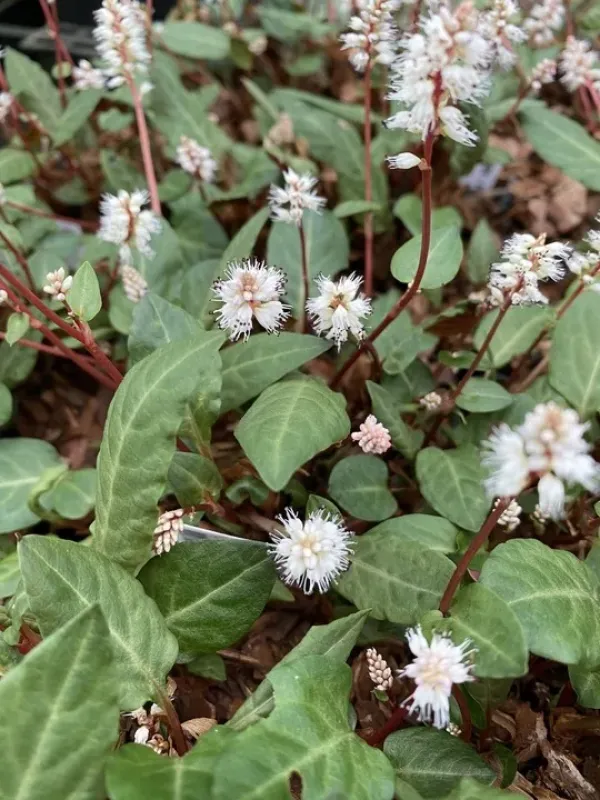
Description
Sowing dates
Thin-stemmed bistort (Bistorta tenuicaulis) is a perennial herbaceous plant belonging to the Polygonaceae family. In agricultural practices, it is primarily propagated through vegetative division of rhizomes during the early spring when soil temperatures stabilize.
For seed propagation, winter sowing is highly recommended as it provides the necessary cold stratification for germination. When sowing in spring, seeds require a pre-treatment period of 30 to 45 days at low temperatures to ensure uniformity.
The recommended planting density is 30x40 centimeters, allowing sufficient space for the root system to expand and minimizing competition for nutrients. Planting depth should be kept shallow, typically 1 to 2 centimeters, to facilitate seedling emergence.
Proper field preparation involves removing perennial weeds, as the plant grows slowly during its first year of establishment. Mulching is suggested to maintain soil moisture and effectively suppress competitive weed species.
Field selection is critical for successful cultivation, favoring areas that retain moisture while avoiding standing water. Poorly drained soils can negatively impact the health of the rhizomes, leading to poor crop development.
Growing requirements
Bistorta tenuicaulis thrives in fertile, well-drained loam soils with a neutral to slightly acidic pH. Consistent soil moisture is essential for the healthy growth and high quality of the plant biomass.
The plant is highly adaptable to temperate climates, showing excellent winter hardiness. During the active growing season, it prefers semi-shaded environments, as intense direct sunlight can lead to leaf scorching if moisture levels are insufficient.
Irrigation management is a key factor in cultivation; the soil should remain moist but not waterlogged. Modern drip irrigation systems are ideal for maintaining the required soil matric potential throughout the vegetative cycle.
Fertilization schedules should include balanced NPK applications in early spring to stimulate leaf growth. Late-season applications should focus on phosphorus and potassium to strengthen the root system for winter dormancy.
Aeration of the soil through light hoeing is beneficial for promoting healthy root function. This practice also helps in managing soil structure and prevents crusting, which can inhibit the development of the thin stems.
Main diseases and pests
Fungal diseases such as leaf rust and various leaf spot pathogens are common threats, especially when humidity is consistently high. Ensuring adequate airflow between plants is the primary method of preventing these outbreaks.
Aphids are the most frequent insect pests, often attacking young leaves during periods of rapid growth. Integrated pest management, including the use of biological controls, is highly effective for this crop.
Root rots pose a significant risk, typically occurring in waterlogged or overly compacted soils. Maintaining good drainage and avoiding excessive irrigation are critical for protecting the plant's underground structures.
Slugs and snails can cause substantial damage to tender foliage during wet seasons. Protecting the base of the plants with physical barriers or organic repellents is standard practice in fields prone to these pests.
Nematode infestations can undermine plant vigor, requiring strict adherence to crop rotation cycles. Using certified, disease-free planting stock is the most reliable way to prevent the introduction of these pests into the field.