
Rubrostilla Barberry
Berberis x rubrostilla Chitt.
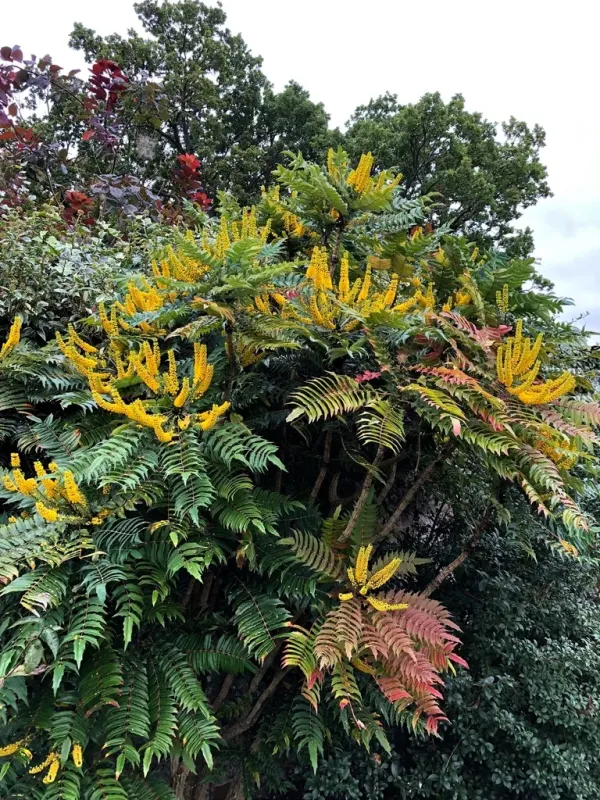
Description
Growing requirements
Rubrostilla Barberry (Berberis x rubrostilla) is an exquisite hybrid shrub belonging to the Berberidaceae family. It is a product of cross-breeding specific Asian barberry species, developed for high ornamental value.
The shrub thrives in full sun but tolerates partial shade, which is beneficial in regions with intense summer heat. Well-drained, fertile soil with a neutral pH level is ideal for its development.
Regarding climate, the plant requires a sheltered position to protect it from cold, drying winds. While hardy, young plants benefit from thick mulch during their first winters to protect the shallow roots.
Watering should be balanced; although the plant is relatively drought-tolerant once established, it requires consistent moisture during its first two years of growth to develop a strong root system.
Agrotechnical maintenance involves regular pruning to keep the shrub's shape and to remove deadwood, ensuring that the inner part of the crown receives sufficient light and air circulation.
Main diseases and pests
The primary fungal threat to this species is powdery mildew, which manifests as a white, dusty layer on the leaves, especially when summer evenings are cool and damp.
Rust is another concern that often occurs in humid conditions. Infected leaves should be picked and destroyed to prevent the spores from overwintering and re-infecting the plant next season.
Insect pests include the barberry aphid, which tends to congregate on the soft tips of new growth, causing curling leaves and inhibiting overall plant vitality during the spring.
Scale insects can also infest the stems, appearing as small bumps that sap the plant's energy and cause branch dieback if left untreated for long periods.
Integrated pest management, including the use of horticultural oils in the dormant season and systemic pesticides during active growth, is highly recommended for healthy shrub upkeep.