
Ottawa barberry
Berberis x ottawensis C. K. Schneid.
Description
Growing requirements
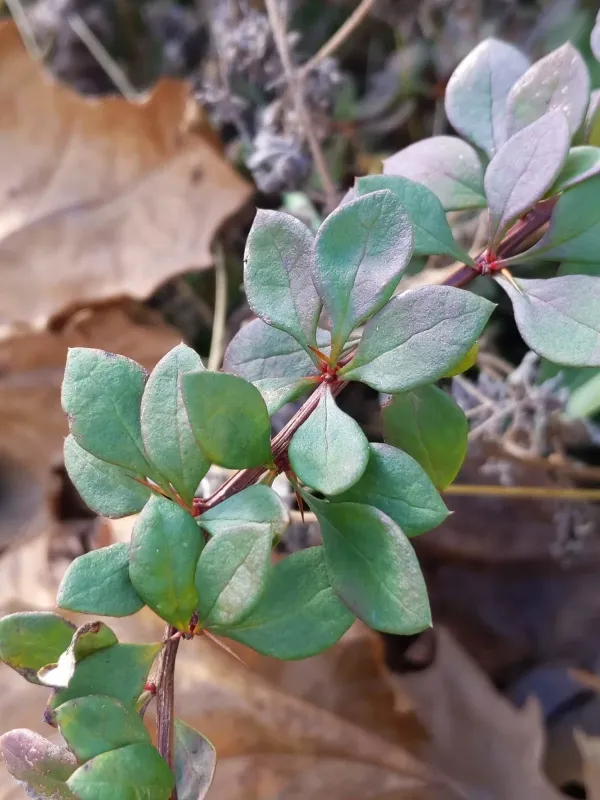
Ottawa barberry (Berberis x ottawensis) is a hybrid ornamental shrub originating from a cross between Berberis vulgaris and Berberis thunbergii, belonging to the Berberidaceae family. It is widely valued in horticulture for its vigorous growth and striking, colorful foliage that persists through the seasons.
This shrub is highly adaptable to various soil types, although it performs best in well-drained, fertile soils with a neutral to slightly alkaline pH. It is crucial to avoid waterlogged locations, as the root system is sensitive to prolonged moisture excess which can lead to fungal issues.
Regarding climate requirements, Ottawa barberry is exceptionally hardy and capable of surviving harsh winter conditions. It thrives in full sun exposure, which is necessary to maintain the vibrant purple or red pigment in the leaves, distinguishing it as a premier choice for garden focal points.
Agricultural techniques involve occasional pruning to maintain the desired shape and density, particularly when grown as a hedge. It responds very well to shearing and can be easily trained into formal or naturalistic boundaries, demonstrating its versatility in various landscape settings.
Beyond its aesthetic function, the plant requires minimal maintenance once established. Periodic watering during extreme drought and light fertilization in the spring are usually sufficient to ensure optimal health and steady annual growth rates for this robust shrub.
Main diseases and pests
The most significant pathological threats to Ottawa barberry include powdery mildew and rust, which are often exacerbated by poor air circulation and excessive humidity. Maintaining proper spacing between plants is an effective preventative measure against these infections.
Insect pests, most notably the barberry aphid, can infest young shoots during the spring. Aphid activity often leads to distorted foliage and may facilitate the growth of sooty mold if not treated with appropriate insecticidal soaps or systemic pesticides.
Occasional infestations by lepidopteran larvae, such as inchworms, can cause localized leaf damage. While usually not fatal to mature bushes, heavy infestations can reduce the overall ornamental value and should be managed early through manual removal or biological control.
Effective management includes regular monitoring of the underside of leaves and branch crotches. Early detection of any irregular growth or discoloration is key to implementing targeted treatments before the pest or disease spreads throughout the shrubbery.
Maintaining high hygiene standards in the garden, including the removal of fallen leaves and debris around the base of the plant, significantly reduces the overwintering potential of various pests and fungal spores that could harm the shrub in the following season.