
Berberis x media Groot
Berberis x media Groot.
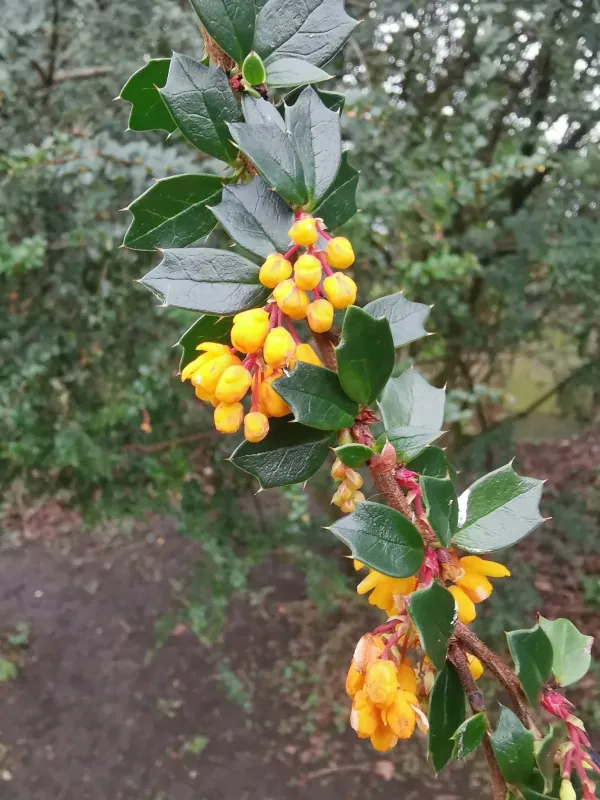
Description
Growing requirements
Berberis x media Groot is a distinct hybrid belonging to the Berberidaceae family. This shrub is highly valued for its dense, compact growth habit and its ability to maintain an attractive appearance throughout the gardening season, making it a popular choice for landscape designers.
This variety performs best in full sun, which enhances the color intensity of its foliage. While it can tolerate partial shade, it is important to note that excessive shading might reduce the compactness of the plant and lead to a greener, less vibrant leaf coloration.
Regarding soil, Berberis x media Groot thrives in fertile, well-drained loamy soils. It is relatively adaptable to various soil pH levels, but it cannot tolerate waterlogged conditions. Proper drainage is essential to prevent root rot, especially in heavier clay-based soils.
The shrub is remarkably hardy and well-suited for temperate climates. It exhibits high winter resistance, requiring minimal protection in standard garden environments, and possesses a moderate level of drought tolerance once the root system is well established.
The primary use of this plant is ornamental, particularly for garden structures. Its density makes it an ideal candidate for low-growing hedges, formal border treatments, and as a focal point in contemporary landscaping designs due to its architectural form.
Main diseases and pests
Barberry aphids are the most common pests associated with this shrub. These insects congregate on young shoots and leaves; they can be managed effectively with horticultural oils or insecticidal soaps if detected early in the growing season.
Powdery mildew is a frequent fungal threat, especially in areas with poor airflow or high humidity levels. To minimize this risk, it is recommended to provide adequate spacing between plants and avoid overhead watering that keeps the foliage consistently wet.
Rust diseases can also manifest as orange pustules on the leaves. Infected plant material should be removed promptly, and the application of copper-based fungicides may be necessary during wet springs to suppress the spread of the fungus.
Consistent pruning is essential for plant hygiene. Removing dead, crossing, or diseased branches ensures that the center of the shrub receives sufficient light and air, significantly reducing the likelihood of fungal colonization.
Overall plant health is largely dependent on proper cultural practices. By ensuring the shrub is not overcrowded and maintaining soil moisture balance, growers can significantly bolster the natural defenses of Berberis x media Groot against common pathogens.