
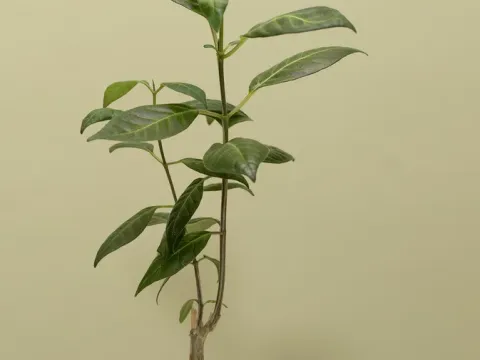
Baseonema
Baseonema
Baseonema is a genus of plants belonging to the Apocynaceae family, native to specific tropical regions. Due to its status as a specialized or rare botanical object, it is not cultivated as a field crop; rather, its propagation occurs primarily in controlled environments and specialized nurseries.
What the section contains

Baseonema
Propagation is typically achieved through seeds, which require a loose, well-draining substrate to mimic their natural habitat. Sowing is usually performed in a sterile environment to ensure that the delicate seedlings are protected from soil-borne pathogens during their initial growth phase.
Optimal germination occurs at temperatures between 22 and 25 degrees Celsius. Consistency in soil moisture is essential; however, the substrate must never become waterlogged, as the seeds of many Apocynaceae members are sensitive to damping-off diseases when kept too wet.
Once seedlings emerge, they require consistent access to diffused light to prevent etiolation. Developing a robust root system is the priority during the first months of life, which necessitates a slow transition to more mature light and water conditions as the plant establishes.
Given the niche nature of the genus, modern agronomic efforts are focused on preserving the germplasm. Future studies into the growth cycles of Baseonema remain essential for understanding its full potential in protected cultivation systems.
Baseonema thrives in tropical climates characterized by warm temperatures and an absence of extreme cold. The plant is highly sensitive to frost, making it suitable only for greenhouse or indoor cultivation in regions outside the tropical belt.
The soil must provide excellent aeration and drainage. A sandy or gritty mix is preferred over traditional nutrient-rich garden soil, as the plant's succulent-like biology allows it to thrive in nutrient-poor but highly aerated substrates common in its native range.
Lighting requirements are high; the plant needs bright, indirect light for the majority of the day. Exposure to harsh, direct sunlight during peak hours can cause irreversible damage to the foliage, while insufficient light leads to poor vigor and morphological decline.
Water management is critical. The irrigation regime must follow a dry-to-wet cycle, allowing the root zone to dry out significantly between watering sessions. Over-irrigation is the most common cause of plant failure in this genus.
Air circulation is an often overlooked factor in the requirements of Baseonema. A stagnant atmosphere promotes the buildup of moisture and heat, which, combined with the plant's sensitivity to fungi, can lead to rapid decay of the stem and leaves.
Root rot is the primary threat to the health of Baseonema. This condition is almost exclusively the result of waterlogging or the use of heavy, non-porous soil media that fails to provide the necessary oxygen to the root structure.
Pests such as mealybugs and spider mites are frequent invaders of the plant. These insects exploit the plant's succulent tissues, causing physiological stress that makes the plant more susceptible to secondary infections by bacteria or fungi.
Chemical control must be applied with extreme caution. The plant’s tissues may react poorly to high concentrations of certain pesticides, so the use of mild systemic treatments or mechanical removal of pests is generally recommended as the primary line of defense.
Fungal leaf spot can occur when the plant is kept in conditions with poor airflow or high humidity. Managing the microclimate is the most effective way to prevent these pathogens from colonizing the leaf surfaces and stems of the plant.
Effective management against threats requires a proactive approach. Regular inspections of the plant's crown and root neck are necessary to detect early signs of distress, allowing for rapid intervention before the pathogen causes systemic damage to the specimen.