
Baseonema gregorii
Baseonema gregorii
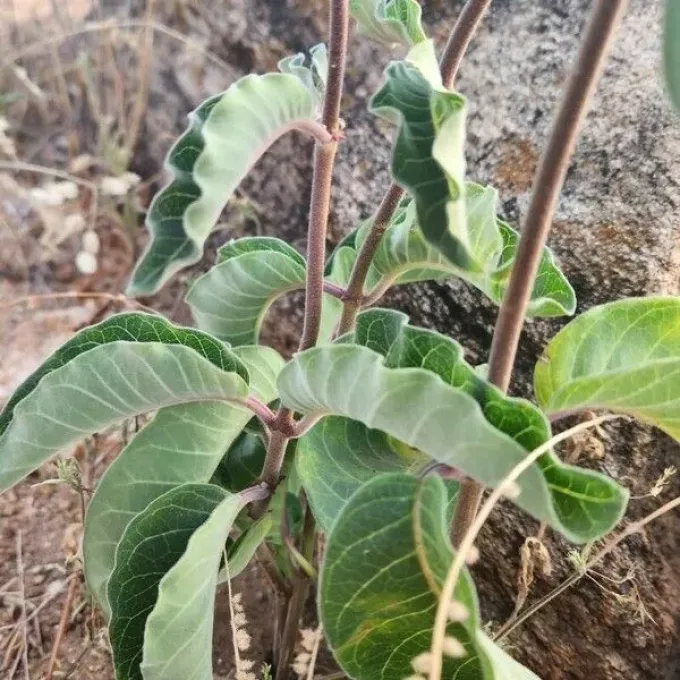
Description
Sowing dates
Baseonema gregorii is a distinct plant belonging to the Apocynaceae family. Successful propagation requires mimicking its natural tropical habitat, where rainfall triggers the germination phase.
Seeds should be sown in a highly porous, sandy substrate to ensure perfect drainage. A consistent temperature range between 22 and 26 degrees Celsius is necessary to break dormancy and support initial growth.
Planting depth should be shallow, as the seeds are light-sensitive and may fail to germinate if buried too deeply. It is recommended to keep the substrate lightly moist using sub-irrigation to protect the delicate seedlings.
The germination process can be slow and sporadic, reflecting the plant's adaptation to unpredictable weather patterns in its native environment. Patience and stable environmental conditions are key during this stage.
Once true leaves appear, seedlings must be carefully transplanted into well-drained pots to encourage deep root development without the risk of waterlogging.
Growing requirements
This species is native to East Africa and thrives in environments with high light intensity. Adequate exposure to full or bright filtered sunlight is essential to maintain its structural integrity and health.
The soil should be a well-draining, nutrient-poor mix, similar to those found in arid or semi-arid regions. Alkaline soils should be avoided as they inhibit nutrient uptake and often cause chlorosis.
Temperature management is crucial, with a preferred range of 20 to 28 degrees Celsius during the active growth season. The plant must be protected from cold drafts and sudden drops in night temperatures.
Watering frequency should be adjusted to allow the substrate to dry out significantly between sessions. Overwatering is the most common cause of failure in cultivating this specific plant species.
During the dormant winter phase, growth slows down, and water requirements drop substantially. Maintaining a dry, cool environment helps the plant prepare for the next growing cycle.
Main diseases and pests
Root rot is the most serious threat, caused by moisture-retaining soils or excessive irrigation. Once the root system is compromised by fungal pathogens, recovery becomes extremely difficult.
Spider mites are common pests that thrive in dry air, especially when the plant is not receiving proper ventilation. Regular misting or the use of acaricides can help manage these infestations.
Aphids can target young, tender leaves during the active growing season. If detected early, they can be manually removed or treated with mild insecticidal soaps to minimize damage.
Mealybugs often infest protected areas of the plant, such as leaf axils. Early identification and manual cleaning using alcohol-soaked swabs are effective control measures for minor outbreaks.
Maintaining high hygiene standards in the growing area, such as cleaning pots and sanitizing tools, significantly reduces the likelihood of pest and disease pressure.