
Calotropis
Calotropis R. Br.
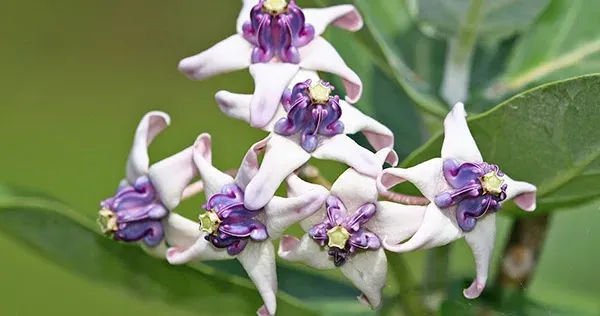
Description
Growing requirements
Calotropis is a genus of perennial shrubs within the Apocynaceae family, known for its remarkable resilience in harsh arid environments. These plants are native to Northern Africa, the Middle East, and South Asia, where they thrive in nutrient-poor, sandy soils.
The plant possesses a unique physiological adaptation allowing it to survive extreme heat and prolonged water scarcity. Its deep root system enables it to tap into moisture deep underground, making it a sustainable choice for rehabilitating degraded desert lands.
Optimal growth requires full solar exposure and excellent drainage. Calotropis cannot tolerate waterlogging, which often leads to root rot. While it is highly drought-tolerant, supplemental irrigation can significantly increase biomass production in controlled farming settings.
The economic value of Calotropis lies in its high-quality bast fiber, which is known for its strength, durability, and resistance to environmental degradation. This makes the plant a promising raw material for the textile and rope-making industries.
Beyond fiber, the plant produces a latex rich in chemical compounds with potential medical and industrial applications. The seeds, which are dispersed by wind, are covered in silky fibers that have been investigated for use in insulation and specialized textile blends.
Main diseases and pests
Despite its robustness, Calotropis is susceptible to several pests, particularly mealybugs and aphids, which colonize young shoots and leaves. These pests feed on plant sap, which may stunt the plant's overall growth and reduce the quality of the harvestable fiber.
Fungal pathogens represent the most significant threat during periods of high humidity or poor soil drainage. Pathogens attacking the root system can cause rapid wilting and, if left unmanaged, the eventual death of the shrub.
Leaf-eating caterpillars and certain coleopteran insects can cause localized damage. While the plant's natural toxicity (due to latex) serves as a potent deterrent, high-density monocultures may require localized monitoring to prevent large-scale infestations.
Effective management includes regular inspection and thinning of dense foliage to promote airflow, which significantly reduces the risk of fungal infections. Clearing ground cover and maintaining proper spacing between plants is essential for crop health.
Integrated Pest Management (IPM) practices, including the encouragement of natural predators, remain the most effective way to protect commercial plantations without compromising the eco-friendly profile of the crop.