
Banisteriopsis
Banisteriopsis
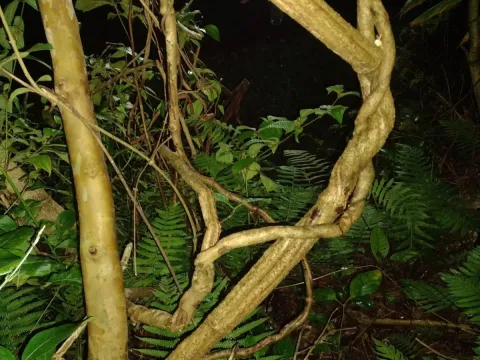
Banisteriopsis is a genus of tropical lianas belonging to the Malpighiaceae family. These plants are native to the tropical regions of South America, primarily flourishing in the Amazon basin and surrounding rainforest ecosystems.
What the section contains

Banisteriopsis
To cultivate these species successfully, a greenhouse environment is essential. The plants require a consistent temperature range of 22°C to 30°C and cannot tolerate any frost or cold snaps, which are fatal to the young growth.
The substrate must be highly porous and nutrient-dense, typically consisting of a mix of peat, bark, and perlite to ensure excellent drainage. Maintaining a pH balance between 5.5 and 6.5 is optimal for nutrient uptake.
High humidity levels (70%+) are vital for the health of the foliage. In indoor settings, consistent misting or the use of automated fogging systems is highly recommended to mimic the natural tropical forest environment.
Support structures are a fundamental requirement for the agrotechnics of this crop. As a climbing vine, Banisteriopsis needs sturdy trellis systems or vertical poles to support its rapid development and allow for adequate air circulation around the stems.
Common pests affecting Banisteriopsis include spider mites and mealybugs. These insects often thrive in warm, stagnant air and can cause significant damage to the leaf tissue if left untreated.
Root rot is a prevalent issue caused by overwatering or compacted soil. It is critical to allow the top layer of the substrate to dry slightly before the next irrigation cycle to prevent pathogen buildup.
Fungal infections, such as leaf spot or powdery mildew, can occur when air humidity is high but ventilation is poor. Improving air movement with circulation fans is a key preventative measure.
The use of systemic pesticides should be limited to severe infestations, with preference given to biological control methods or neem-based treatments that are safer for the delicate physiology of the plant.
Regular monitoring of the undersides of leaves is necessary to detect early stages of pest colonization, as these vines provide ample hiding spots for parasites.