
Common bamboo
Bambusa vulgaris
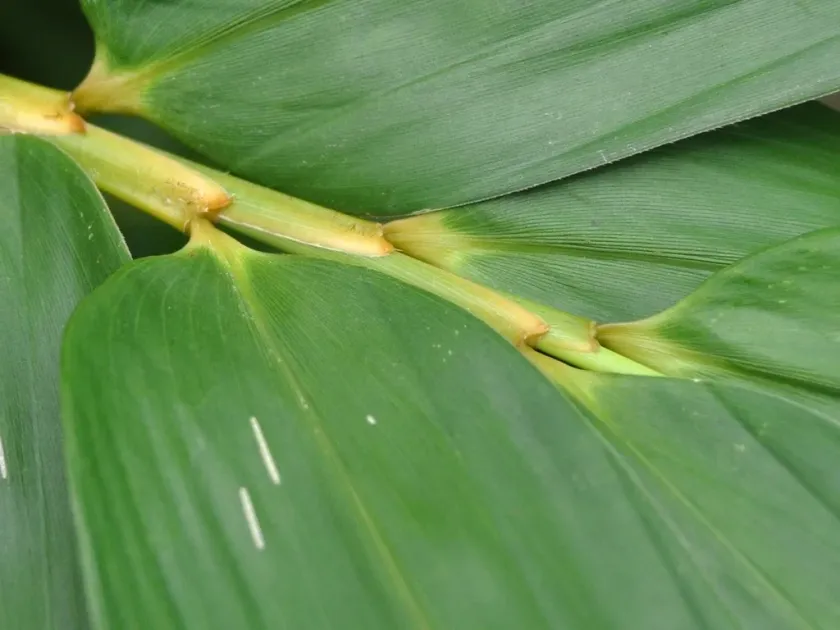
Description
Sowing dates
Common bamboo is primarily propagated through vegetative methods, such as rhizome division or stem cuttings, as natural seed production is rare. Planting is best performed at the onset of the rainy season to ensure optimal root establishment.
Before planting, the soil must be well-tilled and enriched with organic matter. Clearing the area of existing weeds is crucial to prevent competition for essential nutrients during the early stages of growth.
The planting pattern depends on the intended end-use, with wider spacing usually preferred for structural timber production. Proper density ensures adequate sunlight and airflow for each clump.
Maintaining high soil moisture immediately after planting is vital for the survival of the cuttings. A layer of mulch can help retain moisture and regulate soil temperature during the rooting phase.
Successful propagation relies on selecting healthy mother plants with vigorous rhizomes. The inclusion of several nodes in each cutting significantly increases the probability of successful sprout development.
Growing requirements
Bambusa vulgaris is a member of the Poaceae family that thrives in tropical and subtropical climates. It requires consistent high humidity and temperatures to maintain its rapid growth rate.
The plant performs best in fertile, well-drained loamy soils. Waterlogged conditions can lead to root rot, necessitating proper site selection or the installation of drainage channels on heavier soils.
Ample sunlight is essential for strong stem development. While some shade can be tolerated, full exposure to light promotes the highest quality wood production and prevents etiolation.
Temperature fluctuations, particularly frost, can severely damage the plant. It is highly sensitive to cold, which restricts its commercial cultivation to frost-free geographical regions.
Regular fertilization with nitrogen-based nutrients during the active growing season supports the plant's massive biomass production, ensuring long-term yield potential for the plantation.
Yield
The yield of a common bamboo plantation is determined by its age and the intensity of management practices. Harvesting typically begins 3 to 5 years after the initial establishment of the clump.
The economic value lies in the continuous supply of culms that can be harvested annually. The plant's ability to regenerate from the rhizome system allows for long-term productivity without replanting.
High yields depend on a thinning strategy that removes older, less productive stems while leaving younger ones to mature. This cycle of maintenance keeps the clump healthy and productive.
Quality control during harvesting involves selecting culms based on maturity, wall thickness, and straightness. Proper thinning practices also prevent the clump from becoming overly dense and congested.
Yield metrics vary significantly based on regional soil quality and climate, with tropical environments allowing for the most efficient growth and high biomass turnover rates.
Main diseases and pests
Common pests include bamboo mites, which feed on leaves and stunt growth, as well as various stem-boring insects. These pests can significantly lower the structural value of the culms.
Fungal diseases, such as leaf rust and spot diseases, are prevalent in high-humidity areas. Poor airflow within the plantation often exacerbates these conditions, leading to widespread infection.
Management of threats focuses on preventive measures, including regular clearing of dead or decaying biomass from the clumps to ensure air circulation and reduce pest hiding spots.
Integrated pest management, combining physical removal of infested parts and the use of natural predators, is preferred over chemical interventions, especially in crops intended for food use.
Monitoring for early signs of infestation allows for localized control measures, preventing the spread of disease or pests throughout the entire plantation area.
Harvesting
Harvesting is best conducted during the dry season, which facilitates post-harvest drying and reduces the incidence of mold or fungal decay in the stored timber.
Culms must be cut close to the ground using sharp tools to avoid splitting the wood and to prevent damage to the rhizome base. Proper tool hygiene is essential to prevent disease transmission.
Post-harvest processing often includes curing or thermal treatment to eliminate moisture and protect the wood against wood-boring insects, which are major threats to harvested bamboo.
Grading and sorting by size and straightness are performed immediately after harvest. This standardization is critical for meeting industrial requirements in construction and manufacturing.
Harvesting edible shoots must be done strictly during the emergence phase before the shoots begin to lignify, ensuring the tender quality required for the food processing market.