
Timor black bamboo
Bambusa lako
Description
Growing requirements
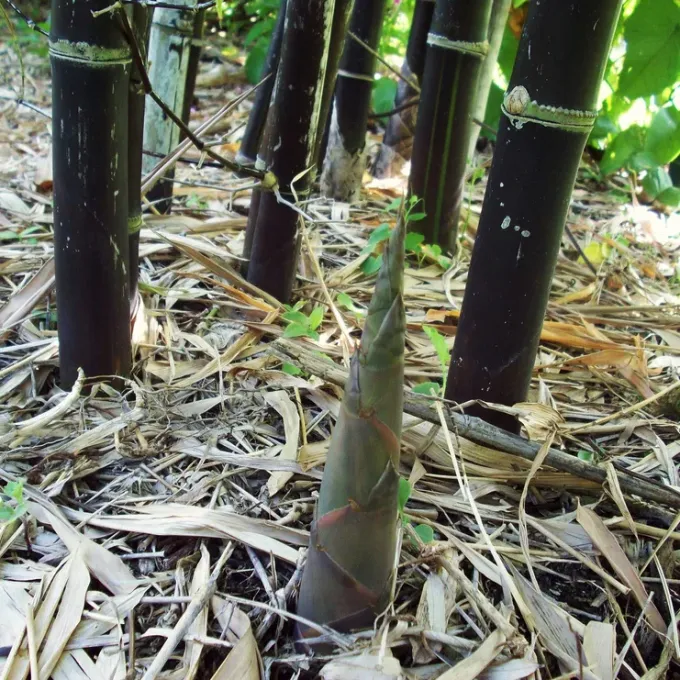
Bambusa lako, commonly known as Timor black bamboo, is a member of the Poaceae family. It is a stunning clumping bamboo species highly regarded for its shiny, dark culms that provide a dramatic visual contrast in landscape and agricultural settings.
Native to the island of Timor in Indonesia, this species thrives in tropical environments. It requires a humid climate and consistently warm temperatures to reach its full potential, being highly sensitive to frost and extreme cold conditions.
The ideal soil for Timor black bamboo is deep, nutrient-rich, and well-draining. While it loves moisture, it cannot tolerate waterlogged ground, which quickly leads to root rot. Improving soil structure with organic matter is recommended before planting.
Agronomic requirements include a site with plenty of sunlight to ensure the stems develop their characteristic dark color. In areas with high heat, some light afternoon shade can be beneficial to prevent the foliage from scorching during peak summer months.
Propagation is typically performed through division or rhizome cuttings. Proper spacing is essential to allow for good airflow, which is critical for the overall health of the bamboo stand and the prevention of moisture-related issues.
Main diseases and pests
Common health threats for Bambusa lako include fungal infections such as rust and leaf spot. These are usually prevalent in areas with high humidity and stagnant air, making proper spacing and ventilation key preventative measures.
Pests like spider mites and scale insects are frequently encountered. These pests thrive in dry conditions and can cause significant foliage damage if left unchecked. Regular monitoring and use of horticultural oils are standard control strategies.
Root rot caused by Phytophthora or other soil-borne fungi is a severe threat. It often results from poor drainage or excessive irrigation, emphasizing the need for well-structured, non-compacted soil in all cultivation sites.
Aphids can infest the tender shoots, causing deformities and reducing the ornamental value of the bamboo. Early intervention with insecticidal soaps or natural predators is often sufficient to manage these infestations effectively.
Nematodes can also be an issue in certain soil types, weakening the plant by damaging the roots. Ensuring the use of sterile or clean planting media and maintaining a vigorous plant through proper nutrition helps mitigate these risks.