
Beechey bamboo
Bambusa beecheyana
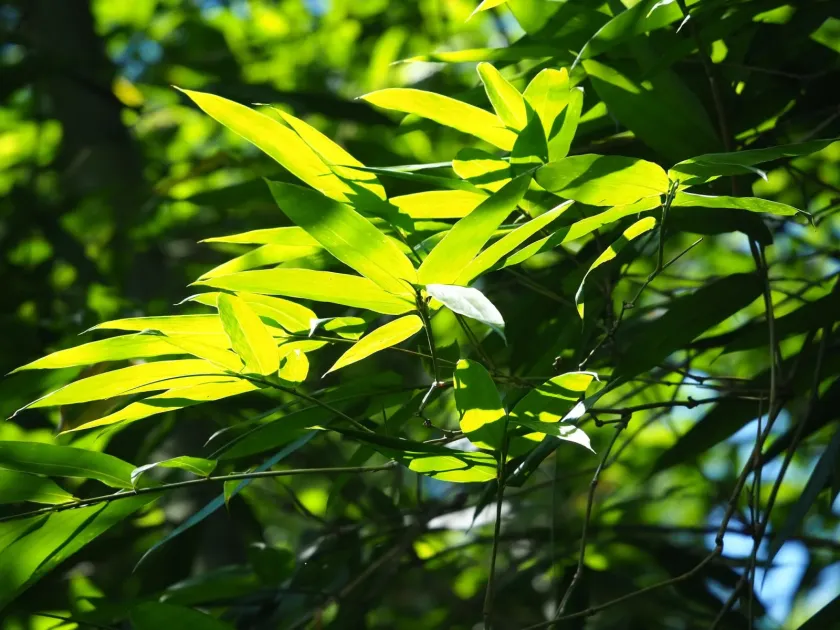
Description
Sowing dates
Propagation of Beechey bamboo is primarily achieved through vegetative methods, such as clump division or using rhizome segments. The ideal time for planting is the beginning of the rainy season, as moisture is essential for successful establishment.
When establishing a plantation, spacing is crucial; plants should be set 3 to 5 meters apart. This distance allows for the mature clump to expand naturally without competing for vital resources like water and nutrients.
Planting pits should be prepared at a depth of 50-60 cm and enriched with organic fertilizer. Providing a nutrient-rich base during the initial growth phase significantly accelerates the formation of culms.
In regions with cold climates, young bamboo plants require protection. Bambusa beecheyana is sensitive to frost in its early stages and needs to be sufficiently established before the onset of winter.
Consistent watering is necessary immediately after planting. Drought stress during the initial months is the leading cause of sapling mortality in new bamboo plantations.
Growing requirements
Beechey bamboo belongs to the Poaceae family and is a sympodial bamboo species that grows in dense, sturdy clumps. It thrives in tropical and subtropical climates with high atmospheric humidity.
The crop prefers loose, well-drained loamy or sandy soils. Waterlogging should be avoided at all costs, as it can cause root rot and dramatically reduce the vitality of the plant.
A soil pH range of 5.5 to 7.0 is optimal for robust growth. Regular application of nitrogen-based fertilizers encourages the production of new shoots and increases overall vegetative biomass.
While the plant is sun-loving, some shade may be tolerated during the very early stages. However, full sun exposure is necessary for the development of strong, healthy culms (stems) in mature plants.
Sheltering the plantation from strong winds is recommended, as young, tender shoots can be fragile and prone to mechanical damage during heavy wind events.
Yield
The primary agricultural value of Bambusa beecheyana lies in its production of tender, edible shoots. Yield potential depends heavily on the age of the clump and the intensity of farm management.
A full, mature yield is typically reached 5 to 7 years after planting. A healthy, well-maintained clump can produce a substantial number of shoots annually during the active growing season.
Mulching the soil around the clumps is a highly effective practice. It helps retain soil moisture, suppresses weeds, and creates a microclimate that promotes the growth of high-quality shoots.
Sanitary pruning—the removal of dead, damaged, or overcrowded stems—is essential to keep the clump productive. This allows the plant to redirect its energy toward creating new, edible shoots.
With proper agronomic practices, Bambusa beecheyana is considered a high-yield crop suitable for both subsistence farming and commercial-scale production.
Main diseases and pests
Beechey bamboo is susceptible to various pests, including bamboo mites and aphids, which feed on the sap of young leaves. Severe infestations can significantly weaken the entire clump.
Fungal diseases, such as leaf rust or blight, may occur in conditions of excessive humidity and poor air circulation. Proper spacing and thinning help prevent these issues.
Bamboo weevils can damage tender shoots, rendering them unsuitable for consumption. Monitoring the plantation during the shooting season allows for early detection and mitigation of these threats.
Mechanical damage to stems caused by poor handling during farm operations can provide entry points for pathogens. Always use sharp, disinfected tools for pruning or harvesting tasks.
An integrated pest management approach, combining cultural practices with biological controls, is the most sustainable way to maintain a healthy plantation over the long term.
Harvesting
The harvest of Beechey bamboo shoots must be done with precision. The optimal time to harvest is when the shoot has just emerged from the soil but before it begins to turn green.
Delaying the harvest causes the shoots to become fibrous and woody, leading to the development of a bitter taste. Timeliness is the key factor in determining the quality of the final product.
Shoots are harvested by hand using a sharp spade or knife. The cut is made at the base, ensuring no damage occurs to the underground rhizome or the surrounding soil structures.
Once harvested, shoots should be processed immediately. This involves removing the outer sheaths and boiling the edible core to eliminate natural bitter compounds and improve digestibility.
Frequent patrolling of the plantation during the harvest season ensures that no shoots are missed, maximizing the total productivity of the bamboo clump throughout the season.