
Bambusa balcooa
Bambusa balcooa
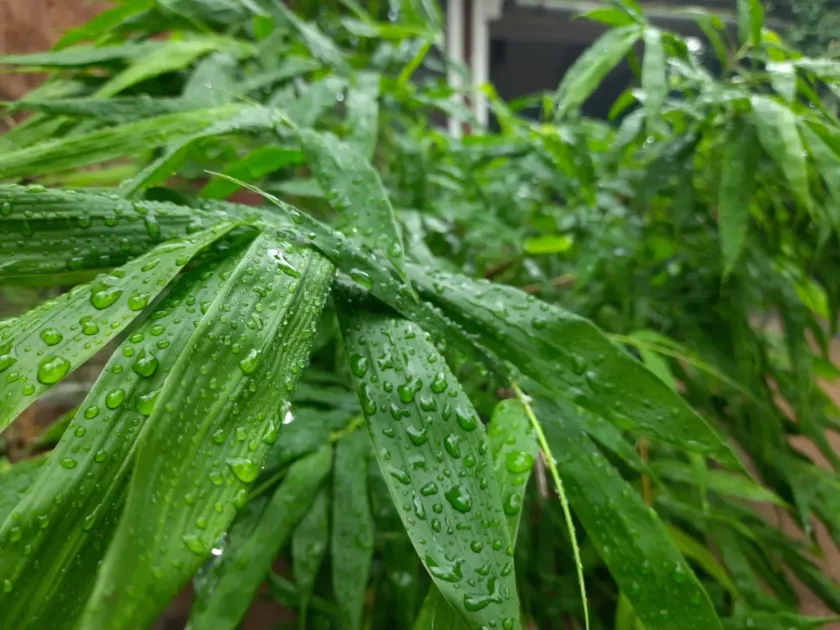
Description
Growing requirements
Bambusa balcooa is a prominent species of giant clumping bamboo belonging to the Poaceae family. Native to the Indian subcontinent, it is widely cultivated across Southeast Asia for its exceptional strength, durability, and rapid growth rate, making it a staple in various industrial sectors.
This bamboo thrives in tropical and subtropical climates with high humidity. It requires consistent rainfall or an irrigation system to maintain optimal soil moisture levels, especially during the initial stages of establishment when the root system is still developing.
The ideal soil for Bambusa balcooa consists of deep, well-draining loamy or sandy-loam textures rich in organic matter. While it is adaptable to different soil types, it performs best in soils with a slightly acidic to neutral pH level, avoiding areas prone to waterlogging.
Proper agronomic management includes regular fertilization, focusing on nitrogen-rich inputs to promote robust cane development. Weed control is essential during the early years of the plantation to ensure the young bamboo receives sufficient nutrients and sunlight without competition.
As a sustainable crop, Bambusa balcooa is increasingly used for construction, furniture manufacturing, and as a source of pulp for the paper industry. Its high carbon sequestration potential further makes it an attractive crop for eco-conscious agricultural projects.
Main diseases and pests
While Bambusa balcooa is generally hardy, it can be susceptible to attacks by various borers and defoliating insects that target the soft tissues of developing shoots.
Fungal pathogens such as leaf rust and blight may occur in environments with poor air circulation or excessive moisture, leading to reduced vitality and poor fiber quality in the mature canes.
Integrated Pest Management (IPM) strategies, including biological control agents and mechanical clearing of debris, are highly effective in maintaining the health of bamboo groves.
Rodents can pose a threat to young plantations by gnawing on the succulent rhizomes and emerging shoots, necessitating protective measures such as fencing or habitat modification.
Early detection through regular field scouting is critical for managing potential outbreaks, allowing for targeted intervention before the infestation affects a significant portion of the harvest.
Harvesting
Harvesting usually begins when the canes reach the desired stage of maturity, typically between 3 to 5 years after planting. At this stage, the fibers are at their strongest, making them suitable for heavy construction or industrial processing.
Selective harvesting is the standard practice, where only mature canes are cut, leaving the younger ones to continue maturing and providing structural support for the clump.
Cutting should be performed with sharp tools at the appropriate height above the ground or node to minimize damage to the rootstock and prevent potential water-induced rot.
Post-harvest management involves proper drying of the culms in a shaded, well-ventilated area to prevent cracking and splitting, ensuring the longevity and quality of the finished products.
Effective scheduling of the harvest cycles ensures a consistent supply of raw material, maximizing the economic return of the bamboo plantation over its long productive lifespan.