
Bamboo Nutans
Bambusa nutans
Description
Growing requirements
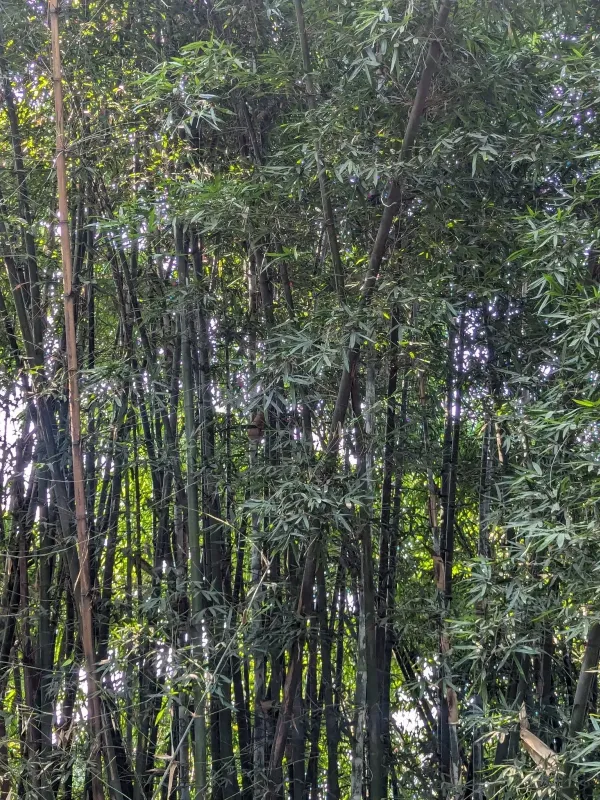
Bamboo nutans (Bambusa nutans) is a significant species within the Poaceae family, known for its robust, tall culms that can reach heights of up to 15 meters. It is highly valued in various industries due to the exceptional durability and versatility of its woody stems.
Native to the subtropical regions of the Himalayas and Southeast Asia, this species thrives in climates characterized by high rainfall and warm temperatures. It is primarily adapted to deep, fertile, and well-drained soils, which are essential for supporting its vigorous growth rate.
When cultivating this species, it is crucial to ensure exposure to adequate sunlight, although young plants may benefit from partial shade. Consistent soil moisture is required, particularly during the peak growing season, to maximize the production of new biomass.
Agricultural management practices involve regular thinning of the culms to improve airflow within the cluster and prevent overcrowding. Application of nitrogen-rich fertilizers during the wet season significantly enhances the yield and quality of the harvested bamboo.
Beyond its traditional use in construction and furniture manufacturing, Bamboo nutans is increasingly utilized for paper production and as a sustainable source of raw materials. Its ability to regenerate quickly makes it an environmentally friendly crop.
Main diseases and pests
Fungal diseases, including leaf blight and rust, are common issues in regions with high humidity levels. Implementing a strict sanitation program, which involves removing infected debris, is vital for maintaining the health of the entire plantation.
Insect pests such as shoot borers and bamboo aphids pose a constant threat to the structural integrity of the culms. Integrated pest management strategies, combining biological controls and selective application of pesticides, are recommended.
Root rot caused by poor soil drainage can severely impact growth and potentially kill established clumps. Monitoring soil saturation levels is a fundamental aspect of agricultural care for this specific bamboo variety.
Rodent infestations can cause localized damage to the rhizome system, hindering the plant's ability to absorb nutrients efficiently. Protective barriers and habitat management are effective methods to mitigate these risks.
Maintaining biological diversity around the bamboo fields helps naturally control pest populations, reducing the need for chemical interventions. A healthy ecosystem is the best defense against major agricultural threats.