
Hedge bamboo
Bambusa multiplex
Description
Growing requirements
Hedge bamboo (Bambusa multiplex) is a perennial evergreen plant belonging to the Poaceae family. Native to East Asia, it is widely cultivated across subtropical regions for both ornamental purposes and as a source of raw material for small-scale production.
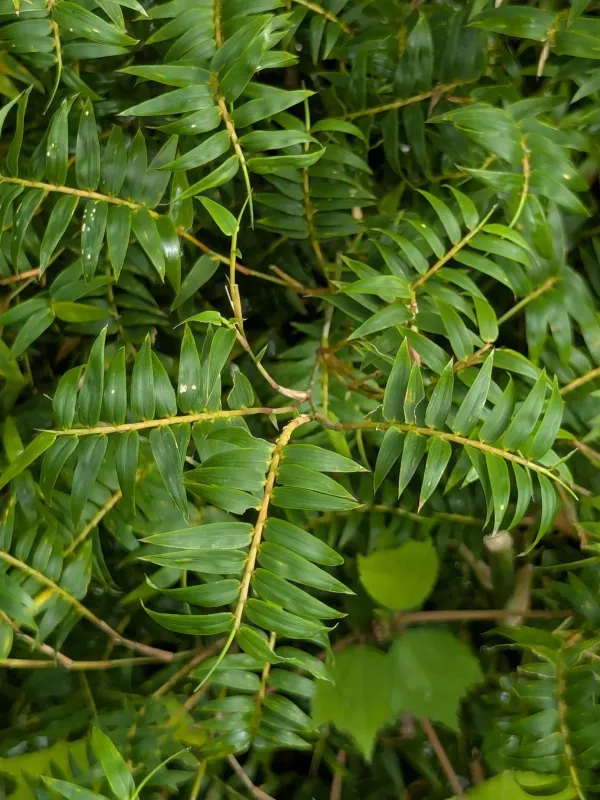
The plant features a clumping habit, forming dense thickets of slender, flexible culms that typically reach heights of 2 to 5 meters. The foliage consists of narrow, lanceolate leaves, which create a lush, dense appearance, making it highly suitable for privacy screens.
Cultivation requires fertile, well-drained loamy soils with a neutral or slightly acidic pH level. While the plant thrives in moist environments, it is essential to prevent waterlogging, which can easily lead to root rot if the soil remains saturated during the dormant season.
The ideal environment for Bambusa multiplex includes high air humidity and warm temperatures. It exhibits moderate frost tolerance, surviving brief drops to -10°C or -12°C, but in cooler climates, it must be protected or grown in containers to ensure its survival.
Its primary agricultural and household uses include the creation of effective windbreaks and hedges, as well as the harvesting of culms for craftwork, basketry, and light gardening stakes. Its rapid regrowth following pruning makes it a highly sustainable choice for landscape managers.
Main diseases and pests
Spider mites are the most common pests affecting Hedge bamboo, especially in environments with low humidity. Regular misting or overhead irrigation can significantly reduce the risk of infestation by maintaining a favorable microclimate for the plant.
Mealybugs can also infest the bamboo, focusing on young shoots and the undersides of leaves. Integrated pest management, including the use of systemic insecticides, is recommended if an outbreak occurs to prevent permanent damage to the culms.
Fungal diseases, such as leaf rust, may develop in dense plantings where airflow is restricted. To manage this, gardeners should ensure proper spacing during initial planting and perform regular thinning of the culms to improve internal ventilation.
Root rot is often a consequence of poor soil drainage or over-irrigation during winter dormancy. Proper site selection and the installation of a gravel or drainage layer are critical measures to ensure the long-term health of the root system.
Viral infections, while infrequent, can be transmitted by insect vectors or contaminated tools. Maintaining high hygiene standards by cleaning garden equipment between cuts and sourcing disease-free stock are essential practices for successful cultivation.