
Textile bamboo
Bambusa textilis
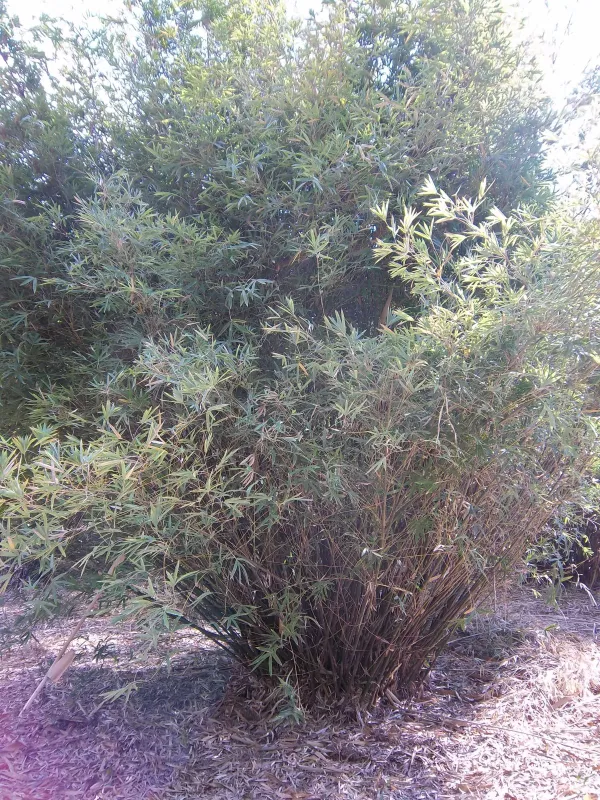
Description
Sowing dates
Textile bamboo is primarily propagated through vegetative methods, as seeds are rarely produced. The optimal time for dividing clumps and planting rhizomes is at the beginning of the rainy season or during the plant's dormancy period when temperatures stabilize.
To ensure successful establishment, the soil must be well-warmed and moist. In commercial settings, seedlings are planted at intervals of 2 to 3 meters to ensure adequate air circulation and space for rhizome expansion.
Before planting on permanent sites, areas are cleared of weeds and plowed deeply. Applying organic fertilizers during the early stages promotes rapid root system development, which is critical for this crop's long-term health.
Young plantations require regular monitoring of soil moisture during the first two years of growth. In intensive cultivation systems, drip irrigation is often used to deliver water directly to the rhizomes without causing surface erosion.
It is vital to avoid planting in waterlogged areas, as excessive moisture leads to the rotting of underground shoots. Preparing raised, well-drained beds is an ideal solution if the soil has a heavy mechanical composition.
Growing requirements
Bambusa textilis, a member of the Poaceae family, is prized for its straight, strong stems. As a perennial plant originating from the subtropical regions of Southern China, it requires a warm and humid climate for active vegetative growth.
The crop prefers sunny locations protected from strong winds that can damage tall culms. The optimal temperature range for growth is between +18 and +30 degrees Celsius, although the plant can tolerate light, short-term frosts once established.
Soil preferences include well-drained loams or sandy loams with a pH level between 5.5 and 7.0. Bamboo is highly demanding regarding organic content, so annual mulching with compost or leaf litter is an essential agronomic practice.
Maintaining high air humidity is crucial for achieving industrial-grade fiber quality. During dry periods, moisture stress critically affects stem elasticity, which later complicates the processing of raw materials for textile use.
The crop is sensitive to high soil salinity, so chemical soil analysis is mandatory before selecting land for plantations. Excessive nitrogen fertilization can lead to vigorous foliage growth at the expense of fiber strength.
Yield
The yield of textile bamboo depends on the age of the plantation and the intensity of management. On average, the period from planting to the first commercial harvest ranges from 3 to 5 years, after which the plantation can be productive for decades.
The industrial value of this species lies in its high stem density and its ability to produce long, soft fibers. With proper agronomy, one hectare can provide significant annual biomass yields without the need for yearly replanting.
Harvest quality is determined by culm diameter and maturity. Mature stems have thicker cell walls, ensuring a higher output of cellulose and fiber during processing at textile manufacturing facilities.
Harvesting is performed cyclically by removing only the oldest stems (3–4 years old), which stimulates the growth of new shoots. This approach ensures consistent annual productivity while maintaining the integrity of the soil structure.
The economic efficiency of the crop increases as the clump matures. The older the rhizome system, the more new shoots it generates each season, thereby increasing the total biomass available for harvesting in a given year.
Main diseases and pests
The main pests for bamboo are bamboo mites, which suck sap from the leaves, leading to yellowing and weakening of the entire plant. Plantations may also suffer from leaf-eating insects during periods of high humidity.
Among fungal diseases, root rot is the most dangerous, often caused by waterlogging and poor soil aeration. Affected areas require immediate removal and treatment with appropriate fungicides to prevent further spread.
In dense plantings, outbreaks of powdery mildew are possible. Prevention involves thinning out the clumps, which allows sunlight to penetrate the canopy and improves airflow within the plantation.
Stem pests, such as weevils, can penetrate young shoots, causing deformation and necrosis. Regular inspections and sanitary pruning help to keep populations of these insects under control.
An integrated pest management system includes using biological agents and maintaining species diversity in surrounding areas to attract entomophages—the natural enemies of bamboo pests.
Harvesting
Harvesting textile bamboo is primarily done manually using specialized tools like sharp machetes or saws. It is important to make the cut as close to the base as possible without damaging young sprouts or the rhizome structure.
The optimal harvest time is late autumn or winter when sap flow in the plant slows down, which improves stem resistance to pests and enhances fiber quality after drying.
Cut stems undergo primary processing: removal of lateral branches and leaves, followed by sorting according to length and diameter. The raw material is then transported for processing to extract fiber via chemical or mechanical pulping.
Harvested stems should not be left under direct sunlight for long periods, as this causes cracking and loss of fiber elasticity. Drying under covered, well-ventilated structures is highly recommended.
Post-harvest residues (leaves and branches) should not be removed from the field entirely. Shredding and leaving them as natural mulch returns a significant portion of potassium and nutrients to the soil, supporting the growth of the next season's shoots.