
Oldham's Bamboo
Bambusa oldhami
Description
Growing requirements
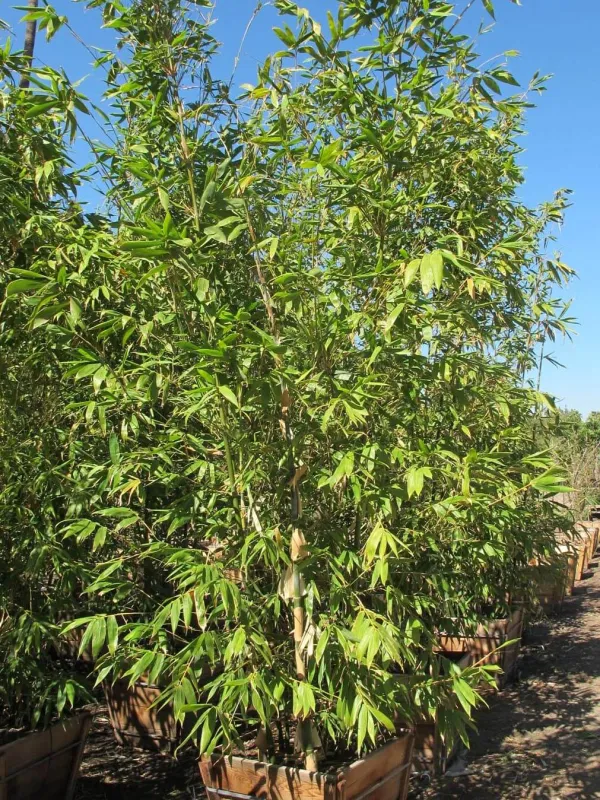
Oldham's Bamboo (Bambusa oldhami) is a robust clumping species belonging to the Poaceae family. Known for its tall, erect culms that can reach up to 20 meters, it is highly valued for its straight and durable wood.
Native to Taiwan and Southern China, this species thrives in humid subtropical environments. It requires significant warmth and consistent moisture to reach its full height potential during the growing season.
The ideal soil conditions include deep, nutrient-rich loamy soil with excellent drainage. While it appreciates high moisture levels, it will not tolerate waterlogged conditions, which can lead to root rot and poor development.
Temperature requirements are critical for optimal yields. Although it has a degree of frost tolerance, it performs best in temperatures between 15 and 30 degrees Celsius. In areas prone to heavy frost, protective measures are necessary.
Adequate sunlight is essential for strong growth. While young plants might benefit from partial shade, mature clumps require full sun to develop thick, woody culms that are suitable for commercial construction and manufacturing use.
Main diseases and pests
The primary fungal threats to Oldham's bamboo involve leaf spot diseases, especially in overcrowded plantations with poor air circulation. Proper spacing during initial planting is the most effective way to prevent these issues.
Bamboo mites are the most significant insect pests, as they cause yellowing and necrosis of the leaves. Regular monitoring and the introduction of natural predators are preferred methods of integrated pest management.
Occasional infestations of scale insects can hinder the growth of young shoots. Targeted applications of organic horticultural oils are often sufficient to manage these populations without disrupting the local ecosystem.
Nutritional deficiencies can make the plants more susceptible to environmental stress and opportunistic pathogens. Balanced fertilization programs tailored to the growth phase are essential for maintaining a strong, disease-resistant plant.
To ensure long-term sustainability, growers should perform regular sanitation of the plantation. Removing dead or damaged culms prevents the buildup of harborages for pests and maintains the overall health of the bamboo clump.
Harvesting
This bamboo species is highly regarded for its edible shoots, which are harvested early in the season. These shoots are prized in culinary applications for their sweet flavor and tender, crisp texture when prepared correctly.
The mature culms serve as a valuable raw material for the construction industry. Their structural strength makes them an excellent sustainable alternative to timber for scaffolding, furniture, and landscaping structures.
Harvesting shoots requires precise timing, typically when they emerge through the soil surface. Delayed harvesting results in shoots that become fibrous and develop a bitter taste due to the rapid accumulation of tannins.
For timber production, culms are harvested on a selective cycle, typically taking only stems that are at least three years old. This ensures that the remaining clump remains healthy and continues to produce new shoots annually.
Post-harvest handling of shoots is vital to maintain quality. They should be cleaned and processed immediately to stop the growth process and preserve the flavor profile required for the fresh market or canning.