
Bacopa sessiliflora
Bacopa sessiliflora
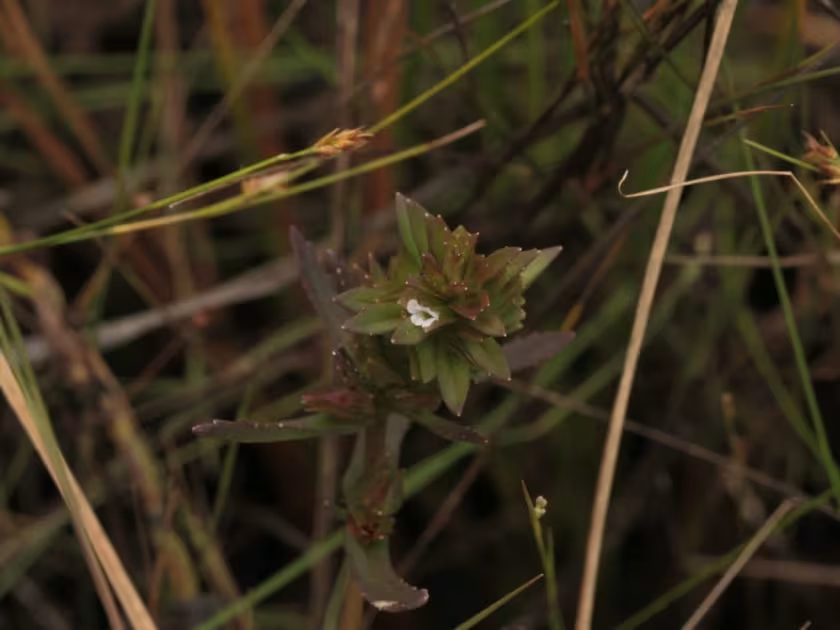
Description
Growing requirements
Bacopa sessiliflora is a perennial herbaceous plant belonging to the Plantaginaceae family. Unlike many of its relatives, this species is typically classified as a hydrophyte or semi-aquatic plant, favoring humid riparian zones and shallow water environments.
The native range of this species encompasses tropical and subtropical regions of Asia. In its natural habitat, the plant grows in waterlogged areas, along riverbanks, on rice paddies, and in wetlands, which defines its inherent requirement for constant moisture availability.
For successful cultivation, the plant requires a consistently warm climate. The optimal temperature range for active biomass growth is between +22 and +28 degrees Celsius, and the species is known to be sensitive to sharp drops in nighttime temperatures.
Soil requirements for the plant are specific: the substrate must have high water retention capacity and a slightly acidic to neutral pH. It is recommended to use silty soils rich in organic matter or specialized nutrient-rich media designed for aquatic plants.
Cultivation practices involve maintaining high levels of both atmospheric and soil humidity. Proper lighting is a critical factor: the plant thrives under intensive yet diffused sunlight, which prevents leaf scorching and promotes robust development of the foliage.
Main diseases and pests
The primary threats to healthy growth are fungal diseases that emerge under conditions of water stagnation and poor air circulation. Root rot, typically caused by pathogens of the Pythium and Phytophthora genera, is the most common issue.
Among pests, various species of aphids and spider mites pose the greatest risk, especially when humidity levels are not strictly managed. In outdoor environments, the succulent foliage may also be susceptible to damage by slugs and snails foraging in wet conditions.