
Bacopa calycina
Bacopa calycina
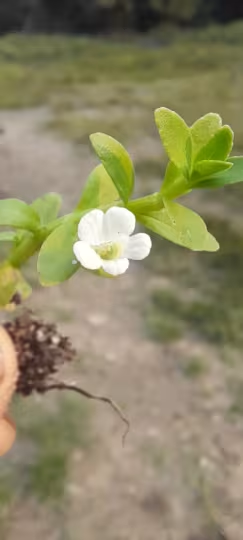
Description
Growing requirements
Bacopa calycina is a distinct species within the Plantaginaceae family. It is recognized as a wetland plant that naturally occurs in the tropical regions of Asia, preferring areas with high humidity and aquatic environments such as riverbanks and swamps.
The botanical structure of the plant features opposite leaves and solitary flowers nestled in leaf axils. The characteristic calyx, which gives the species its specific name, is a diagnostic feature used by botanists to distinguish it from related species in the Bacopa genus.
Environmental requirements for this crop are rigorous. It thrives in nutrient-rich, waterlogged soils or shallow water conditions. Exposure to full spectrum light is essential for maintaining dense growth and healthy flowering cycles during the season.
Agricultural management of Bacopa calycina focuses on maintaining consistent water temperature and high humidity. It is typically grown in greenhouse conditions or controlled aquatic environments where moisture levels can be strictly regulated throughout its lifecycle.
The primary use of the plant is in ornamental aquatics and pond landscaping. Furthermore, its ability to thrive in wet conditions makes it an interesting subject for studies regarding the remediation of aquatic ecosystems and water-based ornamental plant production.
Main diseases and pests
Diseases affecting Bacopa calycina are primarily related to fungal pathogens that thrive in stagnant water with poor aeration. Root rot and stem decay are the most common issues that occur when the temperature drops below the plant's optimal range.
Common pests include aphids and spider mites, which can become problematic in greenhouse settings. In outdoor or semi-aquatic pond environments, snails and larvae of aquatic insects often target the leaves and soft stem tissue of the plant.