
Bacopa caroliniana
Bacopa caroliniana
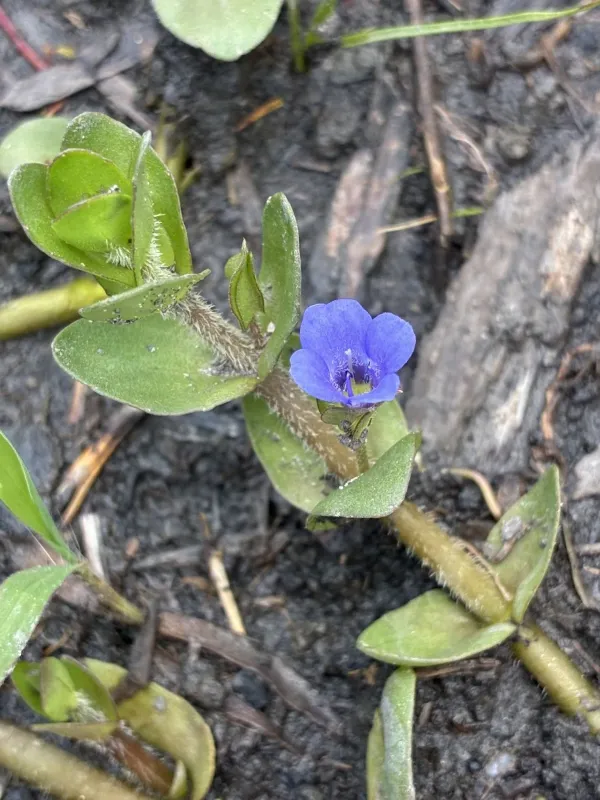
Description
Growing requirements
Bacopa caroliniana is a perennial aquatic plant belonging to the Plantaginaceae family. Originally native to the wetland regions of the southeastern United States, it has become a staple in the aquarium industry due to its hardiness and aesthetic appeal.
The plant features succulent stems with fleshy, oval-shaped leaves that grow in pairs. When grown under high-intensity lighting, the tips of the leaves often develop a distinct reddish or copper coloration, which is highly valued by aquascapers.
Optimal growth is achieved in temperatures ranging from 20 to 28 degrees Celsius. While it is adaptable to various water hardness levels, it thrives best in soft to moderately hard water conditions with a neutral pH balance between 6.0 and 7.5.
Lighting is the most critical environmental factor. To maintain a bushy structure and vibrant color, Bacopa caroliniana requires strong, full-spectrum light. Insufficient light leads to "legginess," where the stem becomes elongated and lower leaves begin to perish.
The root system benefits significantly from a nutrient-rich substrate. While the plant can extract minerals from the water column through its leaves, a fertile bottom layer promotes faster vertical growth and stronger overall plant architecture.
Main diseases and pests
Algae infestation represents the primary threat to the vitality of the plant. Filamentous algae can easily attach to the leaves, depriving the plant of necessary light. Maintaining proper CO2 levels and fertilization schedules is essential for prevention.
Nutrient deficiencies, specifically iron, can result in leaf chlorosis, where the leaves become pale or yellow. Providing iron-rich micronutrient supplements is a common agricultural practice to ensure the plant retains its deep green or reddish hues.
Harvesting
Propagation is primarily performed through stem cuttings. Healthy side shoots or apical cuttings, approximately 10 centimeters in length, are removed from the parent plant and replanted into the substrate, where they establish roots quickly.
Pruning is essential for maintaining the desired shape and density of the stand. Regular trimming of the top growth encourages the development of lateral shoots, which helps to create a thicker and more visually appealing mass of foliage.