
Bacopa dianthera
Bacopa dianthera
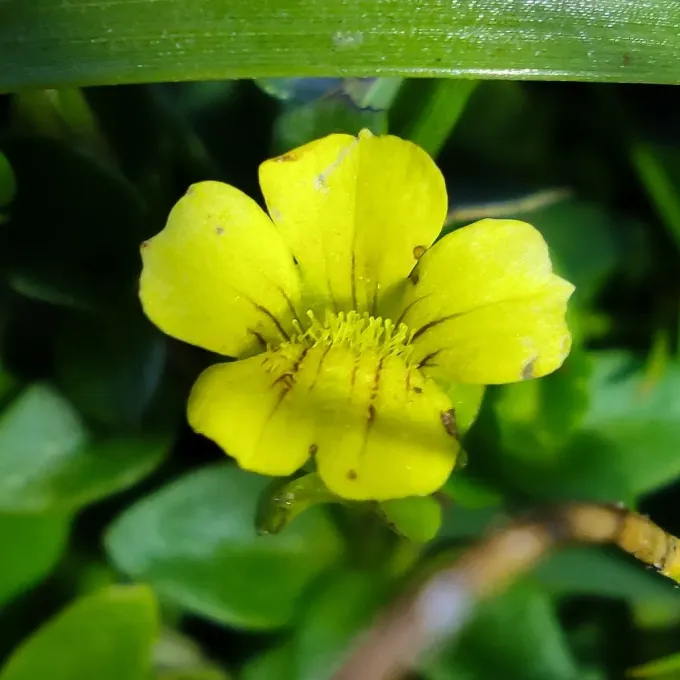
Description
Growing requirements
Bacopa dianthera is a perennial herbaceous plant belonging to the Plantaginaceae family. It is native to tropical and subtropical regions of the Americas, typically thriving in habitats with high water availability.
The plant exhibits a strong preference for wetlands and marshy areas, requiring constant soil moisture to maintain physiological stability. It grows best in full sunlight, which encourages dense foliage and active branching of the stems.
Climatic requirements for this species involve consistent temperatures, ideally ranging between 20°C and 28°C. Being a tropical plant, it does not tolerate frost and requires protection if grown in regions with significant seasonal temperature drops.
Soil management should focus on creating a loose, organic-rich structure that mimics its natural environment. Regular fertilization with microelements is recommended to sustain vigorous growth, especially during the active vegetation phase.
The primary method of cultivation is vegetative propagation through stem cuttings, which are efficient and allow for rapid expansion of the crop. Once rooted in a suitable substrate, the plants develop a robust root system capable of nutrient uptake from saturated soils.
Main diseases and pests
Fungal pathogens, particularly those causing root rot, represent the most significant threat to Bacopa dianthera. Excessive moisture combined with poor ventilation can lead to rapid spread of infections, necessitating strict control over irrigation levels.
Pests like aphids and spider mites are known to infest the plant, particularly in sheltered environments or greenhouses. Integrated pest management, focusing on early detection and biological control, is highly effective in maintaining the health of the crop.