
Bacopa monnieri
Bacopa monnieri
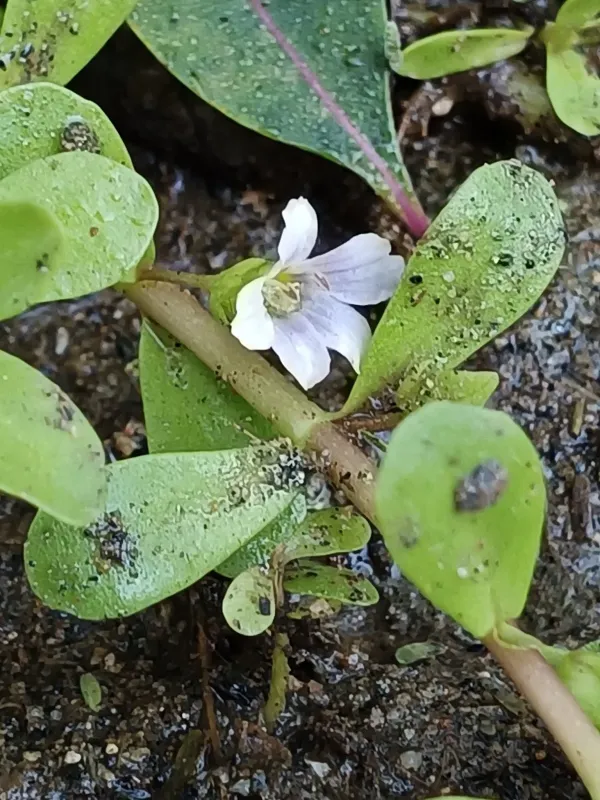
Description
Sowing dates
Bacopa monnieri is a perennial succulent herb belonging to the Plantaginaceae family. Naturally occurring in wetlands and along water bodies, its agricultural cultivation requires specialized conditions that mimic its native aquatic or semi-aquatic environment.
Propagation is typically achieved through seeds or cuttings. Sowing seeds indoors in early spring requires a warm substrate (20–25°C). Due to their minute size, seeds should be surface-sown and kept consistently moist until germination occurs.
Vegetative propagation via cuttings is the preferred method for commercial farming. Cuttings of 5–10 cm length root easily in water or moist soil, allowing for rapid propagation and expansion of the cultivation area throughout the growing season.
Transplanting to the field or hydroponic system occurs after all danger of frost has passed. Bacopa is a spreading plant; therefore, appropriate plant spacing is essential to ensure uniform canopy development and maximize the surface area for harvesting.
In temperate climates, the plant is often treated as an annual or overwintered in greenhouses, as it cannot withstand freezing temperatures and requires consistently warm conditions for sustained growth.
Growing requirements
The primary requirement for Bacopa monnieri is constant moisture. It thrives in hydroponic setups or marshy soil conditions with a pH range of 5.0 to 7.5, making it an excellent crop for water-intensive agricultural systems.
While the plant prefers full sun exposure, it tolerates partial shade. However, optimal light levels are crucial to maintain high concentrations of bacosides, the primary medicinal compounds, which can decrease under insufficient lighting conditions.
Soil or growing media must be rich in organic matter and possess high water-holding capacity. Incorporating compost or high-quality peat helps retain the moisture levels necessary for the plant's succulent tissues to flourish.
The ideal temperature for active growth ranges between 25°C and 30°C. Growth significantly slows down when temperatures drop below 15°C, making the crop highly sensitive to temperature fluctuations in northern latitudes.
In hydroponic production, aeration of the nutrient solution is vital to prevent root rot. Maintaining a steady flow of oxygenated water ensures the health of the root system and promotes faster biomass accumulation.
Yield
Yield depends heavily on plantation management and harvest frequency. Since Bacopa monnieri possesses strong regenerative capabilities, multiple harvests per season are achievable under optimal climatic conditions.
The first harvest usually takes place 90 to 120 days after establishment. At this stage, the plant exhibits peak concentrations of bioactive compounds, which is the most critical factor for its medicinal and commercial value.
Intensive farming practices can yield between 1 and 2 metric tons of dried material per hectare. These figures vary based on local light intensity, the quality of irrigation water, and the balance of mineral nutrients provided to the crop.
Nitrogen fertilization boosts vegetative growth, but an excess can reduce the concentration of beneficial secondary metabolites. Balanced fertilization focusing on potassium and phosphorus is recommended to sustain both volume and quality.
Regular pruning stimulates branching, creating a denser plant habit that increases the total yield per square meter. Careful harvesting practices ensure the plant remains in a vegetative state, promoting continuous biomass production.
Main diseases and pests
Bacopa monnieri is generally robust, but high humidity and poor air circulation can lead to fungal issues such as powdery mildew or root rots. Ensuring adequate spacing and ventilation is a necessary preventive measure.
Pests like aphids and spider mites may target the plants, especially in greenhouse environments with lower humidity levels. Monitoring and using biological control methods are preferred over chemical interventions to maintain the organic integrity of the herb.
Slugs and snails can damage young shoots in field cultivation. Utilizing physical barriers or traps can mitigate this risk without damaging the crop or the surrounding environment.
Disease management relies primarily on cultural practices, such as removing infected parts and maintaining cleanliness. Because it is used for human consumption, chemical pesticide application is strongly discouraged.
Proper water management is essential to prevent pathogen proliferation. Stagnant water should be avoided unless it is part of a managed recirculating hydroponic system that incorporates filtration and oxygenation.
Harvesting
Harvesting involves cutting the aerial parts of the plant at a height of 2–3 cm from the base. This method allows for regrowth from the remaining nodes, facilitating multiple harvests throughout the growing cycle.
Immediately after harvest, the raw material must be dried. Shaded, well-ventilated drying facilities are optimal, keeping the temperature below 40°C to preserve the sensitive active constituents and the natural vibrant green color.
Overheating during the drying process will degrade the bacosides, rendering the harvest less potent and less valuable. Precise control over drying conditions is a critical aspect of post-harvest quality assurance.
Dried product should be stored in airtight containers in a cool, dark place to protect it from moisture and UV radiation. Well-processed Bacopa can maintain its quality for 12 to 18 months in storage.
Final moisture content of the dried product must be kept below 12%. This prevents fungal growth and maintains the long-term viability of the herb for the pharmaceutical and nutraceutical markets.