
Bacopa madagascariensis
Bacopa madagascariensis
Description
Sowing dates
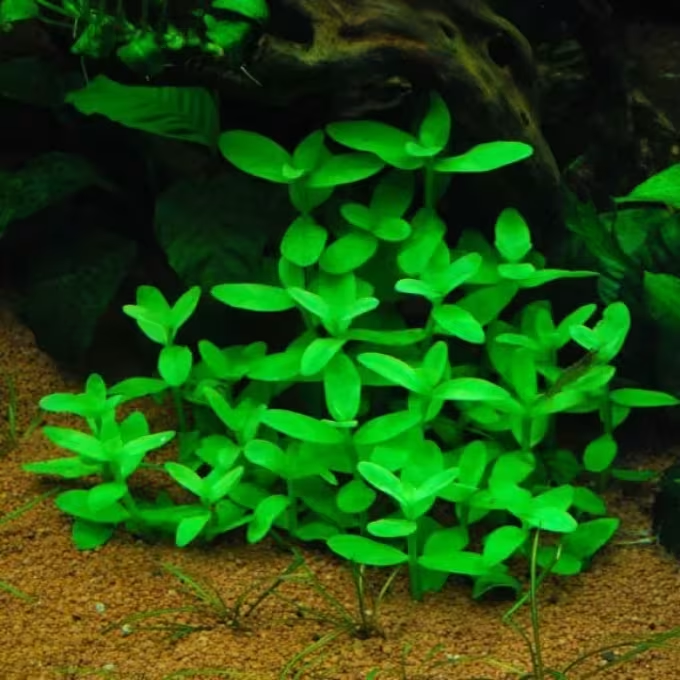
Bacopa madagascariensis is a perennial aquatic plant belonging to the Plantaginaceae family. Originally native to Madagascar and surrounding regions, this species has become a popular subject in commercial aquatic horticulture due to its unique aesthetic properties.
The plant features upright stems with opposite, oval-shaped leaves that create a dense and textured appearance when grown in groups. In its natural environment, it thrives in wet soils and marshy areas, often growing partially submerged.
In a controlled agricultural or hobbyist setting, propagation is achieved primarily through stem cuttings. These cuttings are planted directly into a nutrient-rich substrate, which provides the necessary minerals for rapid root development.
Setting up the planting area requires careful placement of each stem to ensure adequate spacing. Proper spacing prevents overcrowding and allows for optimal light penetration, which is vital for maintaining the plant's health and density.
Regular maintenance, including the pruning of stems, is essential to encourage lateral growth. By removing the apical meristem, growers can stimulate the development of side shoots, resulting in a more robust and visually appealing plant mass.
Growing requirements
Bacopa madagascariensis requires specific environmental conditions to thrive, with water temperatures preferably ranging between 22 and 28 degrees Celsius. Stable temperatures are key to maintaining a consistent metabolic rate throughout the growing cycle.
Light intensity is arguably the most critical factor for success. This plant demands high-intensity lighting to preserve its compact structure; low light will cause the plant to stretch, leading to elongated stems and sparse foliage.
A nutrient-dense substrate is highly recommended, as it provides the foundation for healthy root growth. The use of substrate-based fertilizers can significantly improve plant vigor and promote faster development in newly planted cuttings.
The injection of carbon dioxide (CO2) is a standard practice in commercial cultivation to boost growth rates. CO2 enrichment allows the plant to utilize light more efficiently, leading to faster biomass production and vibrant leaf coloration.
Water chemistry, including pH and hardness, should be carefully monitored. The plant prefers soft to moderately hard water with a slightly acidic to neutral pH, which mimics its natural wetland habitat conditions.
Main diseases and pests
Algal blooms represent a major threat to the cultivation of Bacopa madagascariensis, as algae compete for light and nutrients. Maintaining an appropriate nutrient balance and sufficient water filtration is essential to prevent these outbreaks.
Nutrient deficiencies, particularly iron, often result in chlorosis, where leaves turn yellow. If not corrected with proper supplementation, this can lead to weakened stems and eventual decay of the plant tissue.
Snails and other herbivorous pests can cause damage by consuming the soft leaf tissues of the plant. Integrated pest management, including regular inspection and biological control, is often employed in high-density production systems.
Mechanical damage during harvesting or trimming can leave the plant vulnerable to fungal infections. Using sterile tools and ensuring proper water circulation helps minimize the risk of secondary infections at the wound sites.
Poor water quality and the accumulation of organic waste are also significant risk factors. Consistent maintenance routines are necessary to ensure the environment remains clean and conducive to healthy plant growth.