
Bacopa hybrids
Bacopa hybrids
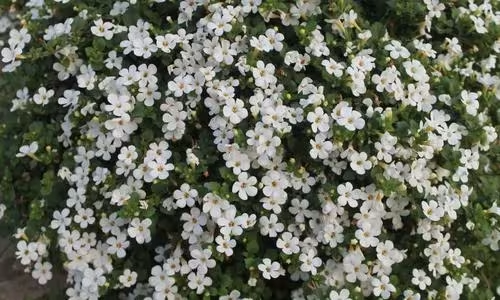
Description
Sowing dates
Propagation of Bacopa hybrids is most commonly performed through stem cuttings to preserve specific varietal characteristics. Early spring is the best time to take cuttings from overwintered mother plants.
Seeds can also be used for propagation, though they require specific conditions to germinate. The seeds should be sown on the surface of a moist, fine-textured seed-starting mix and left uncovered as they need light to germinate.
Keep the sowing containers in a warm environment, ideally between 20–23 degrees Celsius. Using a plastic cover or a glass pane helps maintain the high humidity levels required for successful seed emergence.
Seedlings should be transplanted into individual pots once they have developed their first set of true leaves. Ensure the young plants have adequate light and ventilation to prevent them from becoming leggy.
Hardening off is essential before moving the plants outdoors. Gradually introduce the seedlings to outdoor conditions over a period of 7–10 days to avoid transplant shock once they are permanently placed.
Growing requirements
Bacopa hybrids belong to the Plantaginaceae family. These plants are prized for their trailing habit, making them excellent choices for hanging baskets, window boxes, and as ground covers in temperate climates.
The plant thrives in full sun but tolerates partial shade. In regions with extremely hot summers, some afternoon shade is beneficial to prevent the plant from scorching and drying out too quickly.
Consistent soil moisture is the most critical factor for success with Bacopa. The plants will wilt rapidly if the soil dries out completely, and recovery can be difficult if the stress is prolonged.
Use a well-draining, nutrient-rich potting mix with a slightly acidic to neutral pH. Incorporating organic matter into the soil helps maintain moisture levels while ensuring proper aeration for the roots.
Regular fertilization is necessary to support continuous blooming throughout the season. A balanced water-soluble fertilizer applied every week or two will promote vigorous growth and a profusion of flowers.
Main diseases and pests
Aphids, whiteflies, and spider mites are the most common pests that affect Bacopa hybrids. These pests often congregate on the undersides of the leaves, drawing sap and weakening the plant's overall health.
Fungal issues such as gray mold (Botrytis) or root rot can occur if the plants are overwatered or kept in stagnant, humid conditions. Proper airflow is essential to minimize the risk of these pathogens.
Insecticidal soaps or neem oil can be effective for managing minor infestations of soft-bodied insects. Always apply treatments early in the day to avoid leaf burn caused by direct sunlight on treated foliage.
To prevent rot, ensure that containers have adequate drainage holes. Avoid overhead watering where possible, focusing the water application directly onto the soil surface to keep the foliage dry.
Regular monitoring is key to maintaining healthy plants. Removing dead or damaged foliage helps reduce the potential for fungal growth and keeps the plant looking tidy and attractive throughout the growing season.