
Bacopa hamiltoniana
Bacopa hamiltoniana
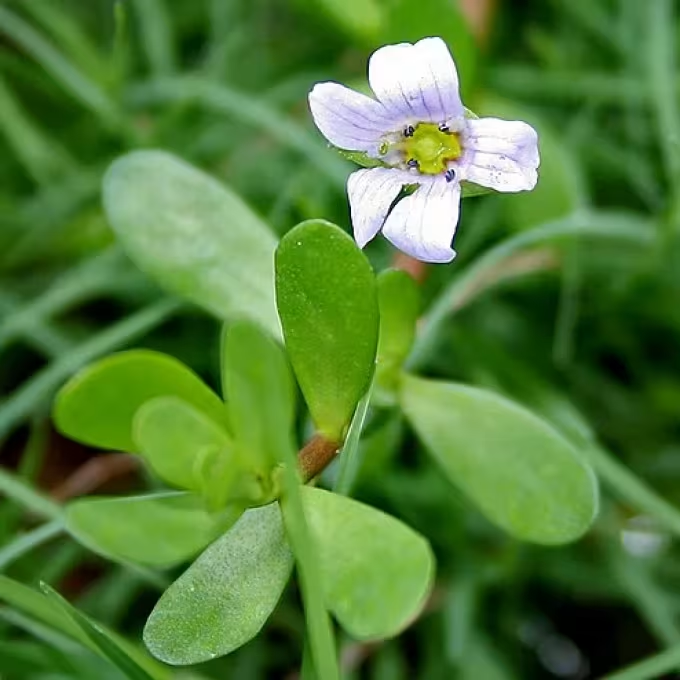
Description
Growing requirements
Bacopa hamiltoniana is a herbaceous plant belonging to the Plantaginaceae family. It is distinct for its adaptation to marshy habitats and wetlands, often found in tropical and subtropical regions of Asia where it thrives along the muddy banks of seasonal waterways and irrigation channels.
Botanically, the plant is characterized by succulent-like stems and opposite leaves that allow it to retain moisture effectively. It exhibits a creeping or semi-erect growth habit, making it an excellent ground cover for areas with constant water saturation or for aquatic landscape applications.
To cultivate this species successfully, growers must maintain high humidity levels and consistent soil moisture. The plant requires significant sunlight to promote vigorous growth but thrives best when protected from extreme afternoon heat which can stress the leaves if water levels fluctuate.
Soil requirements for Bacopa hamiltoniana involve high organic content and a substrate that provides excellent water retention. A loose, nutrient-rich medium mimicking the silty soils of its natural habitat is ideal, with a neutral to slightly acidic pH range to ensure optimal nutrient absorption.
The agricultural and commercial utility of this plant is primarily focused on its role in aquatic gardening and its potential pharmacological properties. Its ability to colonize wetlands makes it a subject of interest for environmental restoration projects in tropical climates.
Main diseases and pests
The primary threats to the cultivation of Bacopa hamiltoniana are fungal pathogens that cause root rot if the growing medium loses proper aeration due to compaction or stagnant, anaerobic conditions.
Insect pests, such as spider mites and aphids, pose a minor threat in greenhouse settings where ventilation is insufficient. Implementing integrated pest management and maintaining proper airflow is essential for crop health.