
Bacopa floribunda
Bacopa floribunda
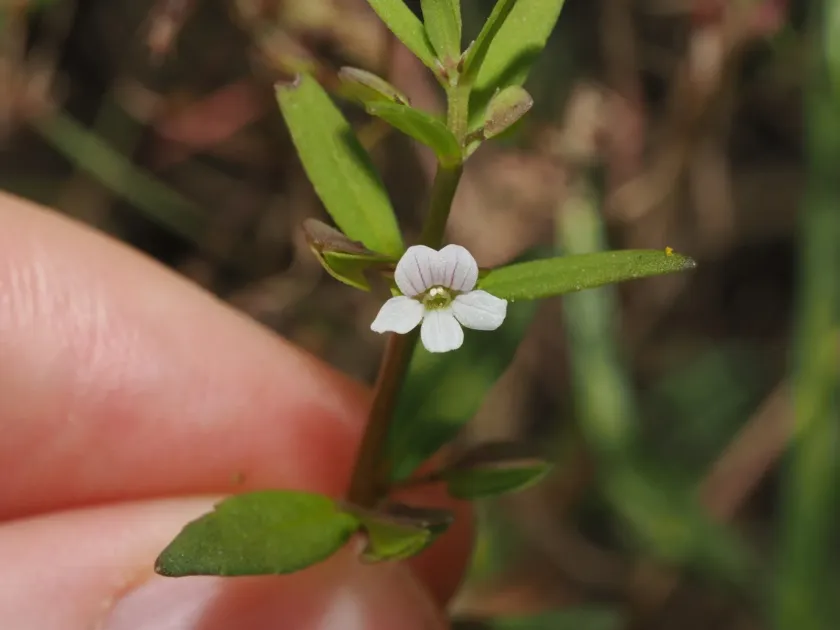
Description
Sowing dates
Bacopa floribunda is a species belonging to the Plantaginaceae family. It is an aquatic or semi-aquatic plant that has gained popularity for its vigorous growth and abundant floral display.
Seed sowing is typically performed in late winter under controlled greenhouse conditions. Due to the tiny size of the seeds, they should be sown on the surface of the growing medium without covering.
Temperature management is critical; maintaining 22-25 degrees Celsius is essential for successful germination. Light availability during the incubation period significantly improves emergence rates.
Transplanting into individual modules occurs when seedlings reach the stage of two or three true leaves. This procedure encourages a robust root system before field or container placement.
Gradual hardening off is recommended for nursery-grown plants to ensure they adjust to outdoor environmental stressors effectively after being placed in their permanent growing site.
Growing requirements
The plant requires consistently moist, well-draining soil rich in organic matter. While it tolerates wet conditions better than most ornamentals, water stagnation should be avoided to prevent root rot.
Full sun to partial shade is ideal for optimal development. In high-temperature regions, mid-day shade is beneficial to prevent leaf scorch and to maintain high flower quality.
Nutrient requirements include regular applications of a balanced liquid fertilizer during the growing season. High potassium levels are specifically beneficial to support continuous blooming.
Climatic adaptability is moderate, as the species thrives in warm, humid environments. Protection from frost is mandatory, as even light freezing temperatures can cause irreversible cellular damage.
The cultivation of this species is highly versatile, ranging from traditional hanging baskets to being utilized as a component in hydroponic installations due to its affinity for water.
Main diseases and pests
The main pests affecting the crop include aphids, which colonize tender new growth. Spider mites may also become an issue during periods of low humidity or dry weather.
Fungal pathogens such as Botrytis cinerea (gray mold) can infect the plant under stagnant, humid conditions. Preventive measures include ensuring good airflow and reducing leaf wetness.
Chemical control should be implemented judiciously, using systemic insecticides only when pest populations exceed the economic threshold for acceptable ornamental damage.
Integrated pest management (IPM) practices, including the introduction of beneficial predatory insects, are highly effective in professional nursery settings for this species.
Regular sanitation of the growing environment, including the removal of dead or dying plant debris, is vital to mitigate the risk of soil-borne and airborne diseases.