
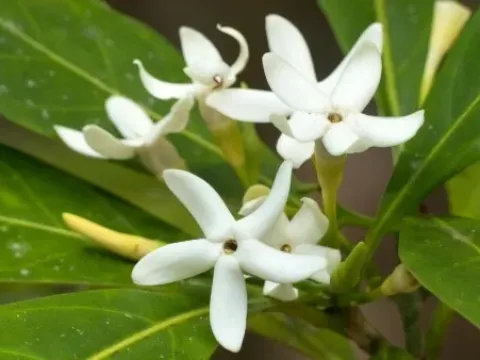
Atractocarpus
Atractocarpus
Atractocarpus belongs to the Rubiaceae family, a large group of flowering plants. These are typically evergreen trees or shrubs native to the tropical regions of Asia, Australia, and the Pacific Islands.
What the section contains

Atractocarpus
The crop requires a tropical climate with high temperatures year-round. It is sensitive to frost and sudden temperature drops, which can severely damage the foliage and stem tissues.
Ideal soil for Atractocarpus should be well-drained and rich in organic matter. Waterlogging is detrimental to the root system, so sandy or loamy soils with good drainage capacity are preferred.
Sunlight requirements are significant; however, young plants thrive in partial shade. Providing shelter from strong winds is essential to prevent physical damage and excessive transpiration.
Regular irrigation is necessary to maintain soil moisture during dry spells. Mulching around the base of the plant is recommended to suppress weeds and conserve soil water levels.
The primary economic use of Atractocarpus involves harvesting its fruits. Some species are valued for their edible properties, commonly used in traditional local diets.
The wood from various Atractocarpus species is known for its durability and hardness. It is frequently harvested for local carpentry projects and small-scale timber production.
Yields are determined by the age of the tree and the specific environmental conditions of the growing site. Many plantations operate as agroforestry systems to maximize land use.
Harvesting is typically performed when the fruits reach full maturity. Careful handling is required during harvest to maintain the quality of the fruits for local market distribution.
In addition to agricultural output, the plant serves ornamental purposes. Its aesthetic value makes it a potential candidate for botanical gardens and landscape development.
Root rot is the most significant disease affecting the culture, often caused by poor drainage and excessive watering. Managing moisture levels is the key to prevention.
Pests such as scale insects and spider mites are common. They infest the leaves and shoots, which can lead to reduced plant vigor and stunted overall growth.
Integrated pest management, including regular inspection and the use of beneficial predators, is recommended to keep pest populations below damaging levels.
Pruning is essential for maintaining plant health. Removing dead or diseased branches allows for better airflow, which significantly reduces the humidity conducive to fungal growth.
Monitoring nutrient levels and plant appearance is vital. Any discoloration or spots on the leaves should be addressed promptly to prevent the spread of potential pathogens.