
Atractocarpus heterophyllus
Atractocarpus heterophyllus
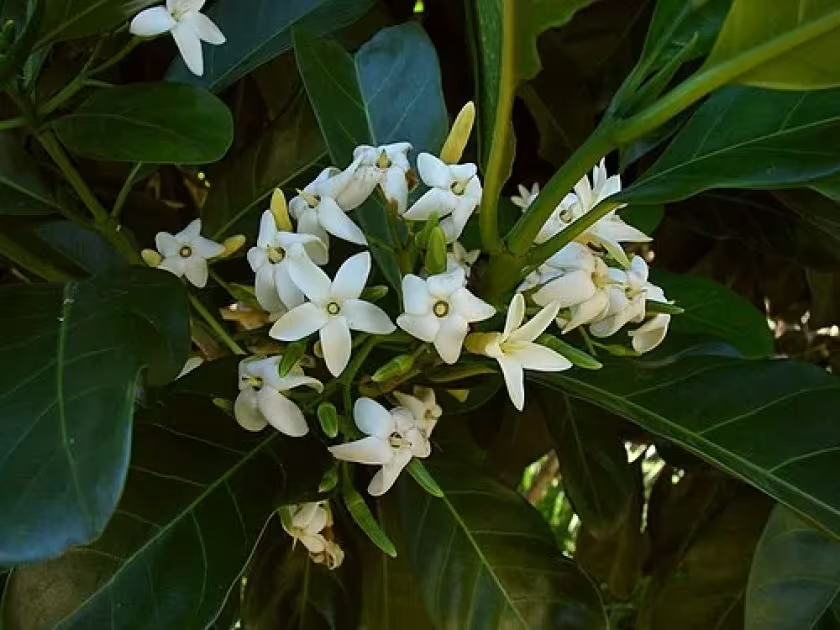
Description
Growing requirements
Atractocarpus heterophyllus is an evergreen shrub or tree belonging to the Rubiaceae family. This species originates from the tropical regions of Australia and surrounding islands, thriving in high-humidity rainforest habitats.
Climate requirements for this culture include high temperatures ranging between 22°C and 28°C. The plant cannot tolerate frost, and even minor cooling can significantly inhibit its growth rates and overall health, necessitating greenhouse conditions in non-tropical zones.
Regarding soil requirements, Atractocarpus heterophyllus prefers rich, loamy soils that possess excellent drainage properties. The substrate must be kept moist, but waterlogging must be avoided to prevent root decay, which is the most common cause of plant mortality.
Agrotechnical management involves careful site selection with partial shade, especially during the early developmental stages. As the plant matures, it requires consistent fertilization to support its dense foliage and maintain its typical dark green color.
Economically, this species is mainly utilized in landscaping and reforestation projects. Due to its dense structure, it serves as an excellent windbreak and provides significant cover for soil conservation in tropical agricultural systems.
Main diseases and pests
The primary threats include various root rot pathogens. These diseases are usually triggered by excessive irrigation combined with poor soil aeration, making proper drainage design a fundamental aspect of successful cultivation.
Pests, particularly mealybugs and scale insects, frequently target the stems and leaves. These pests suck the plant's sap, leading to stunted development and the formation of sooty mold, which impairs photosynthesis.
Integrated pest management is recommended to control these populations. This involves mechanical removal of insects and the application of horticultural oils or environmentally friendly systemic insecticides when necessary.
Root-knot nematodes represent another significant threat, particularly in soils that lack biological diversity. Increasing soil health through the addition of organic compost and mycorrhizal fungi can enhance the plant's resistance to these soil-borne pests.
Pruning is an essential agrotechnical practice to ensure adequate airflow within the canopy. By maintaining good ventilation, the grower significantly reduces the risk of fungal outbreaks that thrive in stagnant, humid environments.