
Atractocarpus confertus
Atractocarpus confertus
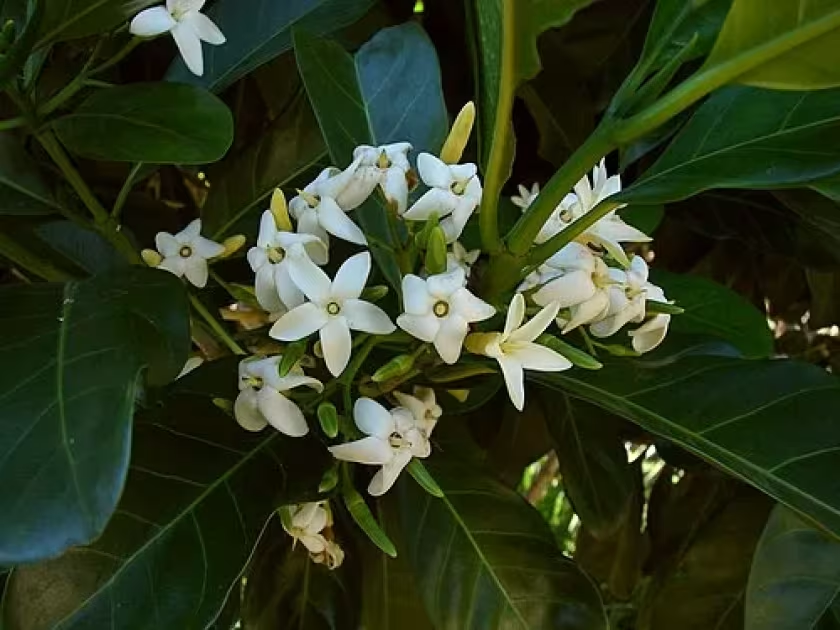
Description
Growing requirements
Atractocarpus confertus is an evergreen shrub or small tree belonging to the Rubiaceae family. It is native to the coastal rainforests of eastern Australia, where it thrives in humid and protected environments.
The plant requires well-draining, nutrient-rich soil with a consistent supply of organic matter. It performs best in soils that retain moisture but do not become waterlogged, as poor drainage is the primary cause of plant failure.
Climate-wise, this species demands protection from frost and prefers stable subtropical temperatures. Ideally, it should be grown in environments where temperatures remain between 20°C and 28°C throughout the year.
Light requirements involve partial shade to bright, filtered light. Direct, harsh midday sunlight can damage the foliage, especially in younger specimens, so positioning in an understory layer is recommended.
Agricultural management includes regular hydration and the application of balanced mulch to protect shallow root systems, which is essential for maintaining plant health in varying seasonal conditions.
Yield
The yield of Atractocarpus confertus consists of edible fruits that are prized for their specific aromatic profile. These fruits are increasingly recognized for their niche potential in local markets.
Beyond human consumption, the plant serves an ecological role, supporting local fauna and acting as a structural element in sustainable agroforestry plots or forest gardens.
Harvesting is typically done by hand once the fruit reaches maturity. Indicators of ripeness include a specific change in color and a slight softening of the fruit texture, allowing for optimal flavor development.
To maximize yields in a cultivated setting, growers focus on pruning to encourage branching, as the fruits are often produced on newer growth shoots. Consistent moisture during the fruit-set phase is critical.
While large-scale commercial production is currently limited, the species offers promising prospects for small-holder farmers interested in diversifying their crop portfolio with native exotic plants.
Main diseases and pests
Common health issues for this species include fungal root pathogens, which are often exacerbated by poor soil aeration and over-irrigation. Proper soil management is the primary defense strategy.
In terms of pests, scale insects and mealybugs represent the most significant threat. These insects attach to stems and leaf undersides, potentially weakening the plant if not addressed early.
Integrated pest management (IPM) techniques, including the use of horticultural oils and neem-based soaps, are effective for controlling minor infestations without harming the fruit quality.
Monitoring for signs of leaf yellowing or stunted growth is crucial, as these can be early indicators of nutrient deficiencies or pest colonization that require immediate corrective action.
To reduce risk, growers should implement a strict sanitation program, removing fallen leaves and debris from the base of the plant to prevent the buildup of pathogens and refuge for harmful insects.