
Tongolo aster
Aster tongolensis Franch.
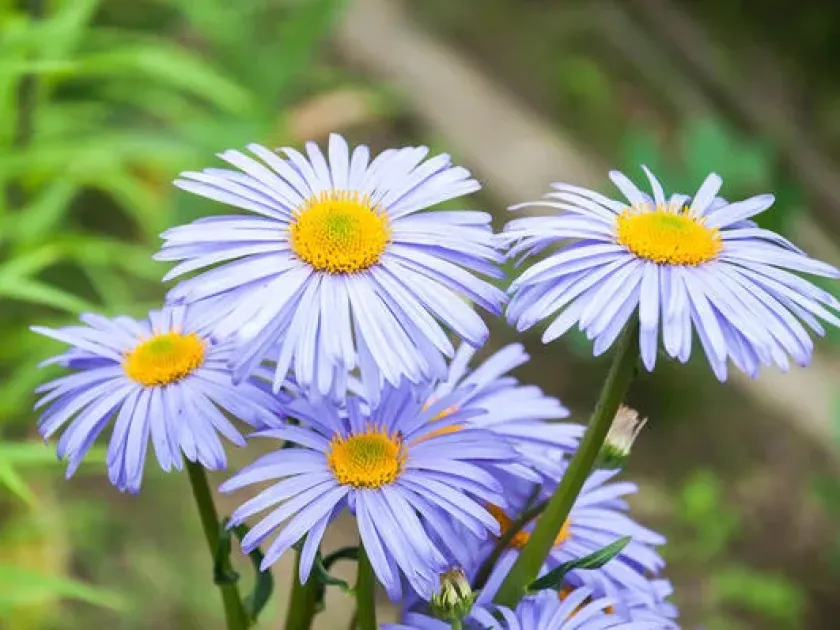
Description
Sowing dates
Seeds of Aster tongolensis can be sown directly into the soil in early spring or late autumn. For best results, use a well-drained seedbed with fine-textured soil, ensuring the seeds are only lightly covered to allow access to light for germination.
When starting indoors, sowing should be done in March using a light seed-starting mix. Maintain a temperature of around 18–20°C and consistent moisture until the seedlings emerge, which typically takes two to three weeks.
Prick out the seedlings once they develop their first set of true leaves. This promotes stronger root development and prepares the young plants for hardening off before being transplanted into their permanent garden location.
Transplanting should be handled with care to preserve the root ball. Space individual plants about 35 centimeters apart to allow sufficient room for healthy foliage expansion and good air circulation throughout the season.
Vegetative propagation via root division is a common and highly effective method. Divide mature clumps every three to four years during the dormant period or early spring to ensure the ongoing vigor of the plantings.
Growing requirements
Aster tongolensis is a perennial herb belonging to the Asteraceae family. Originating from the mountainous regions of Western China, it is well-regarded for its hardiness and ability to thrive in diverse garden settings.
The plant performs best in full sun, although it can tolerate partial shade in warmer climates. Sufficient light is critical for producing the plant's characteristic vibrant, daisy-like flowers throughout the summer months.
Soil quality should be well-drained and moderately fertile. If the soil is too heavy, amending it with sand or compost will improve aeration and drainage, preventing waterlogging which is detrimental to the root system.
Watering requirements are moderate. The plants should be kept consistently moist but never waterlogged. Providing a layer of organic mulch helps retain soil moisture during peak summer temperatures and protects the roots from frost.
Fertilization should be applied sparingly, ideally as a light top-dressing of organic compost in the spring. Excessive nitrogen can lead to lush vegetative growth at the expense of flower production, making the plant more susceptible to diseases.
Main diseases and pests
Powdery mildew is the most frequent fungal issue, often occurring in dense plantings with poor airflow. Regular thinning and avoiding overhead watering can help mitigate the risk of this infection significantly.
Root rot is common in poorly drained soils. To prevent this, ensure that the planting area is properly graded and amended with appropriate drainage materials to avoid any standing water around the base of the plant.
Aphids and spider mites are common pests that may attack during hot, dry weather. Monitoring the undersides of leaves and applying horticultural soaps or neem oil is usually effective for managing minor pest infestations.
Slugs and snails can pose a threat to young seedlings. Implementing barriers or using organic molluscicides around the perimeter can effectively protect young foliage during the critical early growth stage.
- Inspect plants regularly for signs of stress or pests.
- Remove and discard any infected plant debris immediately.
- Maintain proper spacing to improve air circulation.
- Use balanced, slow-release fertilizers for steady growth.
- Prepare plants for winter by mulching the base in late autumn.