
Alpine aster
Aster alpinus L.
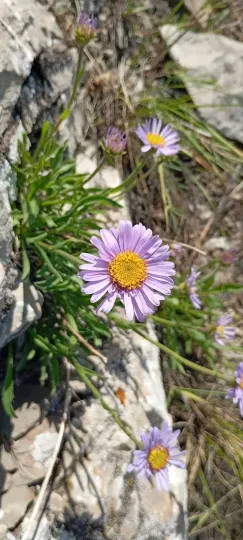
Description
Sowing dates
Sowing Alpine aster seeds in the open ground is best performed in two distinct periods: late autumn (October to November) or early spring (April). Autumn sowing allows the seeds to undergo natural stratification, which promotes more uniform germination when the weather warms up.
For container-grown starts, seeds should be sown in March using a light, well-draining substrate. Keep the seeds on the surface, covering them with a thin layer of sand, and maintain humidity with a plastic cover until the first shoots emerge.
Pricking out seedlings is necessary once the first two true leaves have developed. Provide the young plants with bright, indirect light to prevent legginess, and transition them to outdoor beds in late May after the final frost date has passed.
Vegetative propagation via division or cuttings is a highly effective way to maintain the desirable characteristics of the parent plant. Division is best performed in the early spring before growth begins or in the autumn once the blooming season ends.
Plants should be spaced 25–30 centimeters apart to allow for proper air circulation and expansion. As a perennial, the Alpine aster benefits from well-prepared soil sites to ensure the root system establishes firmly during the first growing season.
Growing requirements
The Alpine aster (Aster alpinus L.), a member of the Asteraceae family, is a mountain species that demands excellent soil drainage. Waterlogged soil, especially during the dormant winter months, is the most common cause of plant failure.
These plants thrive in full sun and require open locations to maintain their compact habit. When planted in shade, the stems become weak and leggy, and the vibrant flower production is significantly diminished.
A neutral to slightly alkaline, light, and airy soil profile is ideal for this culture. If the site has heavy clay soil, it is essential to amend the area with coarse sand, gravel, or compost to prevent root suffocation.
Alpine asters are highly winter-hardy, adapting well to cold climates. However, in regions with little snow cover, adding a light layer of mulch around the base can help protect the root crowns from extreme freezing temperatures.
Standard agrotechnical care includes regular weeding and light hoeing. Watering should be moderate; always aim the water at the base of the plant rather than the foliage to prevent the development of powdery mildew and other moisture-related issues.
Yield
The primary use of the Alpine aster is in ornamental horticulture and landscape design. It is prized for its early blooming season, which brings color to gardens in late spring and early summer when few other perennials are active.
Productivity in terms of aesthetics is enhanced by deadheading spent flowers. Removing finished blooms encourages the plant to maintain a neat appearance and can occasionally trigger a minor second wave of flowers later in the season.
Due to its hardy and spreading nature, this aster is a staple for rock gardens, alpine troughs, and front-of-border displays. It creates beautiful, dense clumps that effectively suppress weed growth once established.
Seeds are harvested once the seed heads have turned brown and dried thoroughly. When stored in cool, dry conditions in paper envelopes, the seeds remain viable for at least two years, allowing for flexible planting schedules.
In professional landscaping, this culture is valued for its longevity and minimal maintenance requirements, making it an excellent choice for sustainable garden designs that require year-round structure and seasonal color.
Main diseases and pests
Powdery mildew is the most common threat, often appearing when plants are crowded or when airflow is insufficient. Systematic fungicides or improved spacing can effectively manage the infection if it appears.
Aphids and spider mites are typical pests that target the soft growth of the plant. Regular monitoring and the application of insecticidal soaps or neem oil are effective, safe ways to keep pest populations below damaging levels.
Root rot is a significant danger in damp environments or heavy, non-draining soils. Ensuring that the planting site has excellent drainage is the best prophylactic measure against this soil-borne pathogen.
Slugs and snails may feed on the tender young leaves, particularly during rainy spells. Barriers like crushed eggshells or copper tape, alongside manual removal, are sufficient for protecting small groupings of plants.
To bolster plant resistance, apply balanced potassium and phosphorus-rich fertilizers during the growing season. This helps improve cellular integrity, making the plants more resilient against environmental stress and disease.