
Indian aster
Aster indicus L.
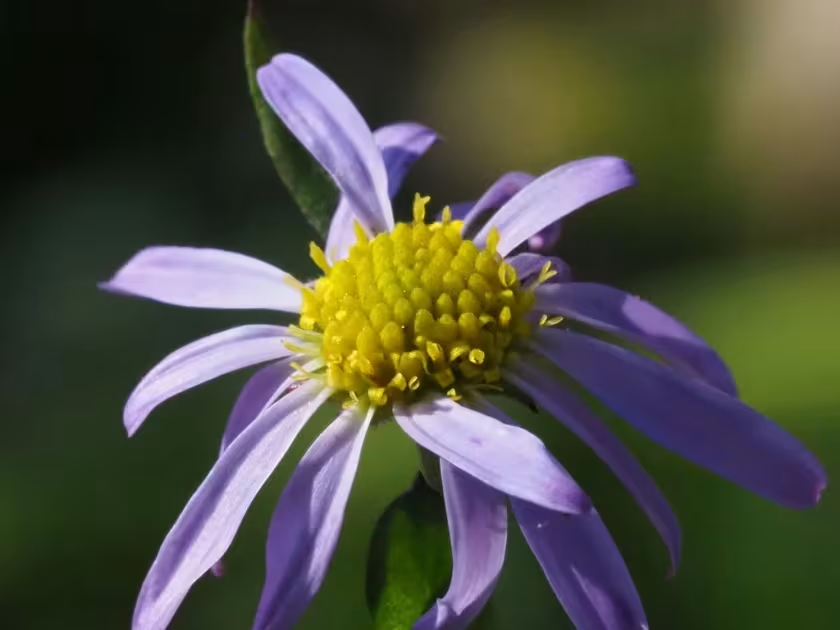
Description
Sowing dates
Indian aster (Aster indicus L.), belonging to the Asteraceae family, is a perennial herbaceous plant valued in horticulture. Sowing is typically carried out in spring once the soil temperature is consistently above 10 degrees Celsius.
For optimal results, seeds are started in trays during the late winter or early spring in a climate-controlled greenhouse. This ensures that seedlings are robust enough before transplanting into the open field.
When sowing directly into the ground, it is crucial to prepare the soil surface, ensuring it is fine and free of debris. Seeds should be planted at a shallow depth to ensure they receive sufficient light and moisture for germination.
Transplanting should occur once all risks of frost have passed. Providing adequate spacing, usually about 30 to 40 centimeters, is essential to allow for full development and air circulation.
Selecting high-quality, viable seeds is the first step in successful cultivation. Proper soil preparation, including the addition of compost, creates the perfect environment for the seeds to establish their root systems.
Growing requirements
The plant thrives in full sun exposure, which is necessary for vigorous growth and abundant flowering. Partial shade can be tolerated in extremely hot regions, but sun is preferred for structural integrity.
A well-draining, fertile soil is paramount for Aster indicus. It is highly sensitive to waterlogging, which can lead to root rot; therefore, planting in raised beds or well-tilled soil is highly recommended.
Fertilization should focus on providing essential nutrients during the vegetative stage. A balanced NPK fertilizer helps the plant develop strong stems and leaves before transitioning into its blooming phase.
Consistent, moderate watering is required during the dry summer months. Using a drip irrigation system can effectively deliver water directly to the root zone, reducing surface moisture and preventing fungal issues.
Maintaining a mulch layer around the base of the plant helps retain moisture in the soil while simultaneously suppressing weed growth, reducing the labor intensity of manual weeding.
Main diseases and pests
Fusarium wilt is a primary threat to Aster indicus, causing rapid decline and plant death. Strict crop rotation is the most effective cultural practice to manage the pathogen population in the soil.
Powdery mildew often appears during periods of high humidity or poor air movement. Proper plant spacing and avoiding overhead irrigation can significantly reduce the risk of this unsightly infection.
Aphids and spider mites are common pests that colonize the underside of leaves. Integrated pest management, including the introduction of beneficial insects or timely application of soap-based sprays, is highly recommended.
Slugs and snails can cause considerable damage to young, tender foliage during wet conditions. Protective collars or physical barriers around the perimeter of the beds are often used to discourage these pests.
Regular sanitation of the growing area, including the removal of dead plant material at the end of the season, is crucial for preventing the overwintering of pests and pathogens in the soil.