
Italian aster
Aster amellus L.
Description
Sowing dates
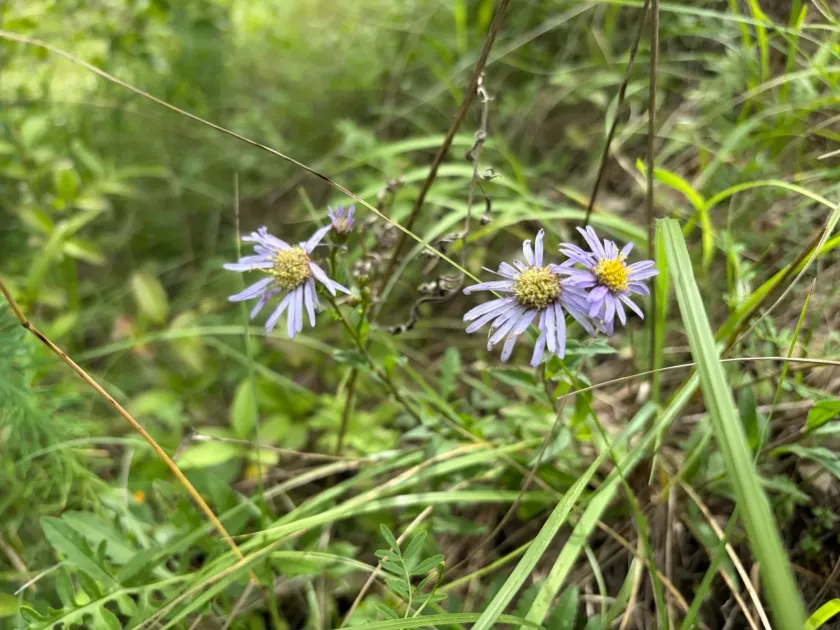
Italian aster (Aster amellus L.) is a perennial herbaceous plant belonging to the Asteraceae family. It is a prized garden specimen known for its rich purple flowers that bloom in late summer.
The plant can be propagated by seeds or division. When growing from seeds, they are usually sown in early spring in well-prepared, nutrient-rich garden beds or in trays for greenhouse production.
Seedlings should be thinned out to maintain a distance of at least 30-40 cm between them. This spacing is vital to allow the root system to establish itself without competition from neighboring plants.
When using division to propagate, the clumps are dug up in early spring or after flowering. The roots are split into several parts, ensuring each has healthy buds, and replanted immediately into moist soil.
Proper plant density is a key agronomic factor for Italian aster. Overcrowding leads to poor air circulation, which creates a favorable microclimate for various fungal diseases to develop rapidly.
Growing requirements
Italian aster requires a full-sun location to thrive. While it can tolerate partial shade, maximum exposure to sunlight is necessary to encourage prolific flowering and strong stems that do not require support.
The ideal soil is moderately fertile, well-drained, and contains a good amount of calcium. Heavy clay soils should be amended with organic matter or grit to improve aeration and water drainage.
The plant has moderate water requirements. It is considered quite hardy and drought-tolerant once established, but providing supplemental water during extended dry spells will ensure larger, vibrant blooms.
Regular maintenance includes weeding and occasional cultivation of the soil around the plants. This simple practice helps retain soil moisture and prevents the development of crusts that hinder oxygen intake.
Fertilization with a balanced NPK fertilizer in the spring promotes healthy vegetative growth. As the flower buds begin to form, a potassium-heavy supplement will strengthen the blooms.
Main diseases and pests
Powdery mildew is the most significant disease for Italian aster. It appears as a white, dusty layer on the leaves, usually triggered by poor air circulation and fluctuating humidity levels.
Root rot is another concern, typically caused by waterlogged soil. Ensuring adequate soil drainage and avoiding overwatering are the best preventative measures to protect the plant's root system.
Pests such as aphids and spider mites are frequent visitors to these plants. Aphids colonize the tender new shoots, while spider mites thrive during hot, dry weather on the undersides of the leaves.
Snails and slugs can damage young foliage early in the growing season. Using physical barriers or organic baits around the base of the plant can effectively manage these populations.
Sanitation is essential in integrated pest management. Removing dead foliage and infected plant parts at the end of the season reduces the overwintering capacity of pests and fungal spores.