
Bushy aster
Aster dumosus L.
Description
Sowing dates
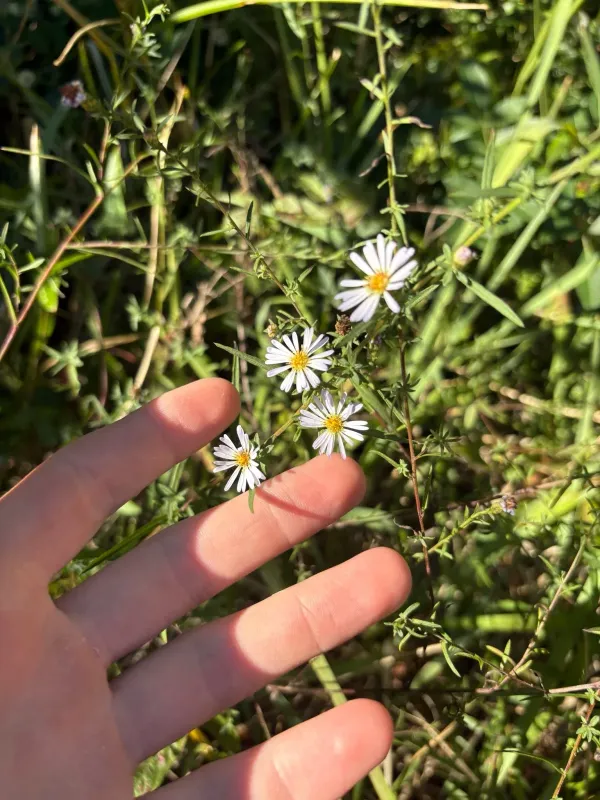
Bushy aster (Aster dumosus) is a perennial flowering plant belonging to the Asteraceae family, valued for its dense growth and late-season blooms.
Propagation is primarily performed through division of established clumps, which is the most reliable method for maintaining the variety's specific traits.
Divisions should be performed in early spring as new growth emerges or in late autumn after the flowering cycle has completely finished.
Seed propagation is possible in controlled environments, starting in early spring to prepare seedlings for transplantation during the frost-free period.
When planting, ensure adequate spacing, typically between 30 and 50 centimeters, to allow sufficient room for the plant to spread effectively over time.
Growing requirements
The plant thrives in full sun, which is critical for strong stems and an abundant display of flowers throughout the blooming season.
Well-drained, moderately fertile soil with a neutral pH is optimal for healthy growth and preventing common root-related issues.
Regular watering is necessary, especially during dry spells, as this plant performs poorly under conditions of extreme moisture stress.
Applying a balanced fertilizer in the spring helps stimulate vigorous vegetative growth and enhances the overall resilience of the plant.
Mulching the surrounding soil helps retain moisture and prevents the growth of competing weeds that can stifle the development of the aster.
Main diseases and pests
Powdery mildew is the most common concern, manifesting as a white fungal growth on the leaves, especially in stagnant or humid air conditions.
Rust and various leaf spots can also impact the appearance of the foliage, necessitating the use of appropriate fungicides for effective control.
Pests such as aphids and spider mites can attack the plants, requiring vigilant monitoring and treatment with suitable insecticides when necessary.
Managing the plant density and ensuring proper aeration are key strategies for minimizing the risk of fungal outbreaks in the garden.
- Pruning diseased parts promptly to prevent spreading.
- Maintaining optimal air circulation between plants.
- Monitoring for early signs of pest infestation.
Harvesting
The primary use of the bushy aster is in ornamental horticulture, particularly for garden borders, rock gardens, and autumn landscape arrangements.
Cut flowers are harvested when the blooms are mostly open to ensure the longest possible vase life and best aesthetic presentation.
At the end of the season, once frost has turned the foliage brown, the plant should be cut back to the ground to clear away dead matter.
Winter protection, such as covering with straw or mulch, is recommended in colder regions to insulate the root system from extreme temperature drops.
Routine site cleanup in the late autumn is essential to reduce the likelihood of overwintering pathogens that could impact the following spring growth.