
Maack's Aster
Aster maackii Regel
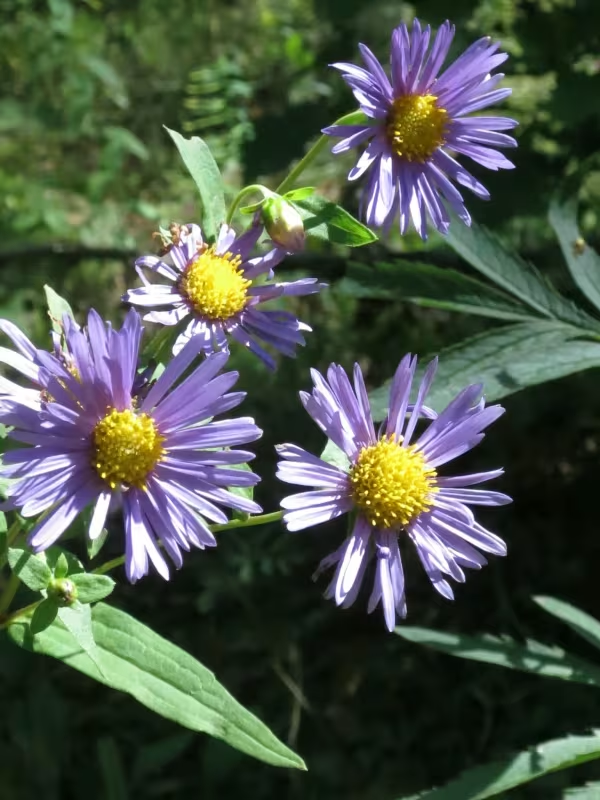
Description
Growing requirements
Maack's Aster (Aster maackii Regel) is a perennial herbaceous plant belonging to the Asteraceae family. This species originates from the Far East, specifically occurring in regions of Russia, China, Korea, and Japan, where it typically inhabits open meadows and forest edges.
The plant requires fertile, well-drained loamy soils with a neutral or slightly acidic pH for optimal growth. It performs best in sunny locations, as consistent exposure to sunlight ensures strong, upright stems and profuse autumnal flowering.
Regarding climate, Maack's Aster is notably cold-hardy, allowing it to thrive in regions with harsh winters. While it is relatively low-maintenance, providing moderate soil moisture during the summer is essential to prevent wilting and maintain floral quality.
Standard agronomic care involves weeding to reduce competition for nutrients and regular monitoring of soil moisture. The plant is well-suited for inclusion in perennial beds, borders, and naturalistic landscape designs due to its robust habit.
The primary economic use of this plant is strictly ornamental. Its late blooming period, which extends from late summer through mid-autumn, makes it a valuable asset for maintaining floral interest in gardens when many other summer species have faded.
Main diseases and pests
Maack's Aster is susceptible to several common fungal pathogens, most notably powdery mildew. This condition often arises in humid environments or where air circulation is restricted by overcrowding, necessitating proper spacing during planting.
Pests such as aphids and spider mites may infest the foliage, particularly during dry spells. These pests extract sap from the plant tissues, potentially causing leaf yellowing and stunted growth if left unmanaged by appropriate control measures.
Root rot represents a significant threat, especially in sites where drainage is inadequate or water tends to pool. Ensuring a well-draining soil medium is the most effective preventative measure against soil-borne pathogens.
Nematode infestations can also affect the root system, causing decline in vigor. Regular monitoring and maintaining soil health are vital components of any integrated pest management strategy for this ornamental species.
Post-season sanitation is crucial; gardeners should remove and dispose of withered stalks after the first frosts. This practice significantly reduces the overwintering capacity of pests and fungal spores, promoting a healthier start to the following growing season.