
Aster ageratoides
Aster ageratoides Turcz.
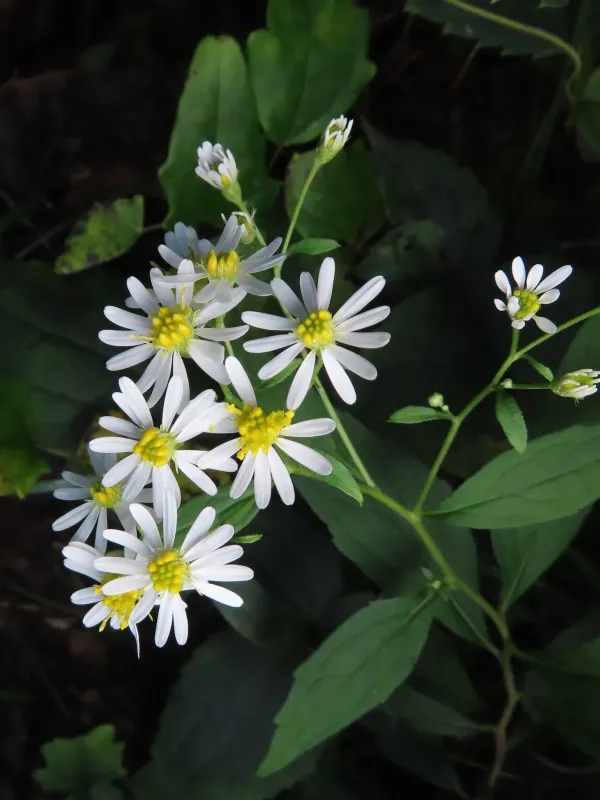
Description
Sowing dates
Aster ageratoides is primarily propagated vegetatively through division of the rhizomes. This process is best performed during the spring, just before the new growth phase begins, or in the autumn after the plant has entered its dormancy period.
Seed propagation is also possible but necessitates a stratification process lasting 30 to 45 days at low temperatures to break dormancy. Once stratified, seeds can be sown in well-drained prepared soil beds with a temperature above 10 degrees Celsius.
When planting divisions or seedlings, spacing should be carefully managed to allow at least 30 to 40 centimeters between plants. Proper spacing is crucial to prevent competition for nutrients and to maintain adequate airflow within the canopy.
Early-stage irrigation is critical to establish a strong root system. Once the plants are settled, they exhibit moderate drought tolerance, although consistent moisture levels remain vital for optimal flower production and biomass development.
Routine rejuvenation of the plant patches every 4 to 5 years is recommended to maintain vigorous growth. Older clumps may become unproductive in the center, so dividing and replanting is an essential part of the lifecycle management for this species.
Growing requirements
Belonging to the Asteraceae family, Aster ageratoides is native to the temperate regions of East Asia, including Japan, China, and the Russian Far East. It is a highly resilient perennial plant that thrives in diverse ecological conditions.
The ideal site for this culture is full sun to partial shade. Exposure to direct light is preferred for maximum flower density, whereas excessive shade may cause the stems to stretch, potentially leading to lodging if not supported.
The plant performs best in fertile, well-drained loamy soils. It has a preference for a slightly acidic to neutral soil pH. Waterlogged conditions must be avoided at all costs, as they are a primary cause of root rot in this species.
Nutrient management involves balanced fertilization during the active growing season. Applying NPK fertilizers in late spring helps support the formation of robust shoots and encourages a longer and more vibrant blooming period.
Mulching is a beneficial practice that helps conserve soil moisture and suppress weed competition. Maintaining a clean cultivation area allows the plant to allocate more energy to flowering rather than competing with opportunistic grasses.
Main diseases and pests
Common pathological threats include fungal infections such as powdery mildew, which is often triggered by high humidity levels and poor ventilation within the foliage. This appears as a characteristic white coating on the leaves.
Rust diseases are also a concern, particularly in regions with frequent rainfall. These pathogens can cause significant defoliation if left untreated, severely impacting the aesthetic and biological value of the culture.
Pests, most notably aphids and spider mites, are frequent offenders. These pests cause damage by extracting phloem sap, which leads to leaf curling, stunted growth, and the potential transmission of viral diseases.
Integrated pest management (IPM) strategies, including the use of systemic fungicides and insecticides, should be implemented. Always verify the compatibility of products to avoid phytotoxicity on sensitive cultivars.
Cultural control remains the most effective prophylactic measure. By ensuring adequate spacing, regular pruning, and the prompt removal of infected debris, producers can minimize the reliance on chemical interventions.