
Korean aster
Aster koraiensis Nakai
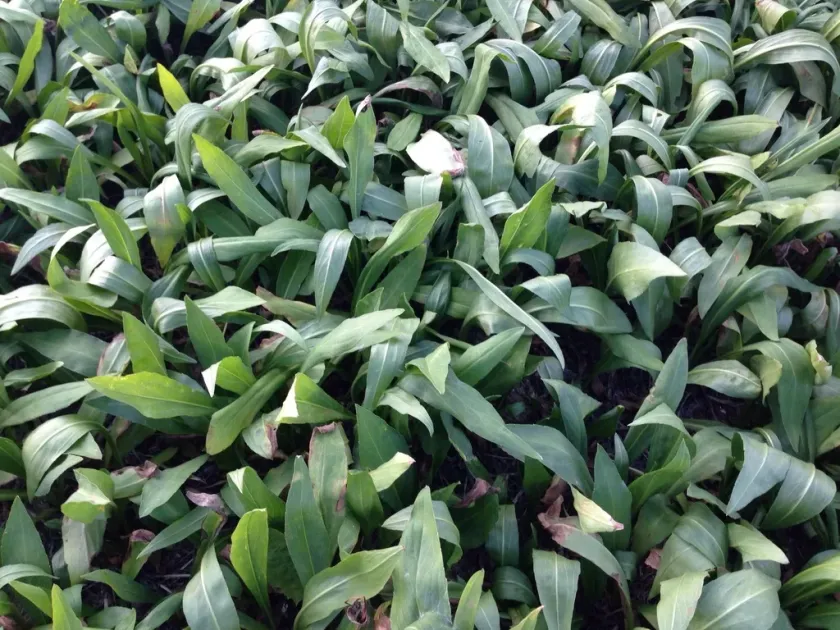
Description
Sowing dates
Korean aster (Aster koraiensis) is a perennial herbaceous plant belonging to the Asteraceae family. It is recognized for its hardiness and serves as both an ornamental crop and a subject for specialized botanical cultivation in its native regions.
Propagation is typically performed via seed or by dividing the mature rootstock in the spring. Direct sowing into open ground is recommended for areas with moderate climates, while greenhouse sowing is preferred for faster development in colder regions.
Seeds should be sown at a depth of 0.5 cm in well-draining, nutrient-rich soil. Proper moisture levels must be maintained during the germination period to ensure a consistent and high rate of seedling emergence within two to three weeks.
Seedlings grown in containers require hardening before being transplanted outdoors. This process involves gradually exposing the plants to lower temperatures and outdoor conditions, which significantly reduces transplant shock.
When planting in the field, a spacing of 30–40 cm is advised to ensure proper airflow around the base of the plant, which minimizes the risk of moisture-related diseases as the plants grow and expand.
Growing requirements
Korean aster thrives in full sun, requiring at least six to eight hours of direct sunlight daily to produce high-quality foliage and abundant blooms. Partial shade may be tolerated but often results in weaker stems.
The ideal soil for this species is a loamy, well-draining mixture with a slightly alkaline to neutral pH. It is crucial to ensure that the site does not accumulate standing water, as the roots are susceptible to decay in waterlogged conditions.
Regular maintenance is essential, including weeding and soil aeration. Keeping the soil loose allows for better nutrient uptake and root development, which is vital for a robust perennial plant that remains in the same spot for several years.
Watering should be managed based on local climate conditions, providing extra moisture during dry summer months while avoiding overhead irrigation, which can encourage the growth of pathogenic fungi on the plant's surface.
Nutrient management involves applying balanced fertilizers in early spring to support initial growth and a mid-summer application of potassium-rich fertilizers to enhance flower production and winter survival rates.
Main diseases and pests
Powdery mildew is a common fungal threat characterized by a white, dusty layer on leaves. It is often managed by improving air circulation and applying sulfur-based fungicides if infections appear during humid weather.
Fusarium wilt represents a more severe threat, as it affects the vascular system and can cause rapid death of the plants. Soil disinfection and crop rotation are the most effective preventative strategies against soil-borne pathogens.
Aphids and spider mites are frequent pests that damage plants by extracting sap from the leaves. Early detection is key, and biological control agents or systemic insecticides can be utilized to prevent heavy infestations.
Slugs and snails can cause significant damage to young shoots in early spring. Protecting the garden perimeter and keeping the planting area clean of organic debris helps minimize the attractiveness of the site to these pests.
Routine inspection for leaf spots, discoloration, or stunted growth allows for early intervention. Prompt removal and destruction of infected material prevent the further spread of disease across the garden bed.