
Tatar aster
Aster tataricus L. f.
Description
Sowing dates
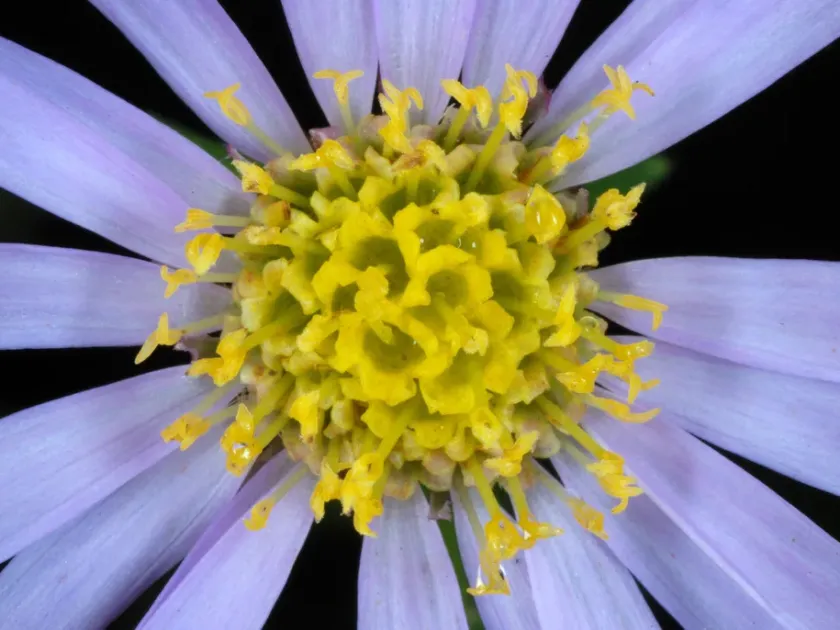
Tatar aster (Aster tataricus L. f.) is a perennial herbaceous plant belonging to the Asteraceae family. It is a robust species that is highly appreciated for its tall stature, often reaching heights of over 1.5 meters.
Sowing in open ground is best performed in late autumn, allowing the seeds to undergo natural stratification during the winter. This ensures high germination rates as soon as temperatures rise in early spring.
Indoor sowing can be started in early spring using seed trays filled with a well-draining substrate. Seeds should be surface-sown and barely covered with fine soil, as they require light to germinate effectively.
Once seedlings have developed two sets of true leaves, they should be pricked out into individual pots. Hardening off the plants before transplanting them into the permanent garden site is crucial for survival.
Vegetative propagation via root division is a common practice for this species. Dividing mature clumps every 3 to 4 years helps to rejuvenate the plant and maintain vigorous growth for the coming seasons.
Growing requirements
This species thrives in sunny locations but can tolerate partial shade. Full sun is essential to produce the strongest stems and the most profuse display of late-season blue-purple flowers.
The ideal soil is fertile, moist, and well-drained. While Tatar aster can grow in various soil types, it performs best in rich loam with a neutral to slightly acidic pH level.
Watering is particularly important during the height of summer. Consistent moisture helps maintain plant health, although established plants demonstrate a moderate level of drought tolerance.
Fertilization with a balanced NPK fertilizer in the spring promotes healthy foliage growth. A second application with higher phosphorus content in late summer supports the development of flower buds.
Mulching the soil around the base of the plant helps to conserve water and suppress weed competition. Organic mulches also gradually improve the structure of the soil over time.
Main diseases and pests
Powdery mildew is the most common fungal issue affecting Tatar aster, especially in humid or poorly ventilated conditions. Promoting airflow through proper spacing is the best preventive strategy.
Root rot can occur if the soil remains waterlogged for extended periods. Ensuring good drainage is paramount, especially during early spring when melting snow might otherwise drown the root system.
Aphids and spider mites are typical pests that can infest the plant, particularly during hot and dry spells. Regular monitoring and, if necessary, the use of insecticidal soaps are recommended.
Slugs and snails may feed on the tender young leaves in spring. Using copper barriers or organic slug pellets can protect vulnerable young growth from significant damage.
- Maintain proper plant spacing to improve ventilation.
- Monitor for pest outbreaks on a weekly basis.
- Apply fungicides at the first sign of mildew infection.
Harvesting
The roots are the primary medicinal part of the plant, often harvested in the autumn. After digging them up, they should be thoroughly cleaned and sliced before drying at low temperatures.
For ornamental use, stems should be cut when the flowers are about two-thirds open. This stage provides the best vase life and allows the flowers to continue opening indoors.
Seed harvesting should take place when the seed heads turn brown and begin to dry. Carefully collect the heads and dry them in a well-ventilated area before extracting the seeds.
Winter maintenance involves cutting the plants back to ground level after the first hard frost. This cleanup prevents the accumulation of old debris that might harbor fungal spores.
Proper storage of dried roots is essential for medicinal effectiveness. Keeping the material in airtight containers in a cool, dark place prevents the degradation of active compounds over time.