
Spoon-leaved aster
Aster spathulifolius Maxim.
Description
Sowing dates
Propagation is primarily achieved through seeds or by division of established clumps. Seeds should be sown in a well-draining medium, ideally following a period of cold stratification to break dormancy.
Growing requirements
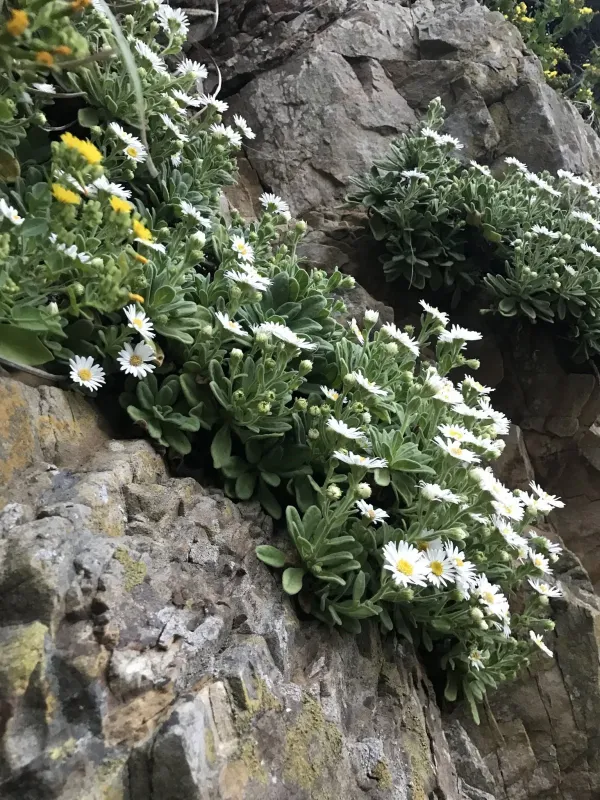
Spoon-leaved aster (Aster spathulifolius) is a perennial flowering plant within the Asteraceae family. It is natively found along the rocky coastlines of East Asia, displaying remarkable adaptation to maritime climates.
The plant is characterized by its succulent-like, spoon-shaped leaves that are covered in fine hairs. This physiological feature serves as an evolutionary adaptation to conserve moisture and protect the plant from harsh coastal winds.
Cultivation requires conditions that mimic its natural habitat. Ideally, the soil should be sandy, gritty, and exceptionally well-drained to prevent root rot during wet winter months.
As a sun-loving species, it thrives in full exposure to sunlight. Proper light levels are essential to maintain the dense, rosette-like growth habit and to ensure a profuse display of late-season blossoms.
This species is highly valued for its cold hardiness and robustness. It is perfectly suited for rock gardens, gravel beds, and exposed coastal landscapes where other ornamental plants might struggle to survive.
Main diseases and pests
Fungal issues such as powdery mildew may occur in environments with poor air circulation or excessive humidity. Additionally, gardeners should monitor for common pests like aphids that may attack during the flowering phase.
Harvesting
The primary use of this aster is ornamental. It is widely planted for its aesthetic appeal during the autumn, providing late-season color and structural interest in perennial borders or rockeries.