
Aster savatieri
Aster savatieri Makino
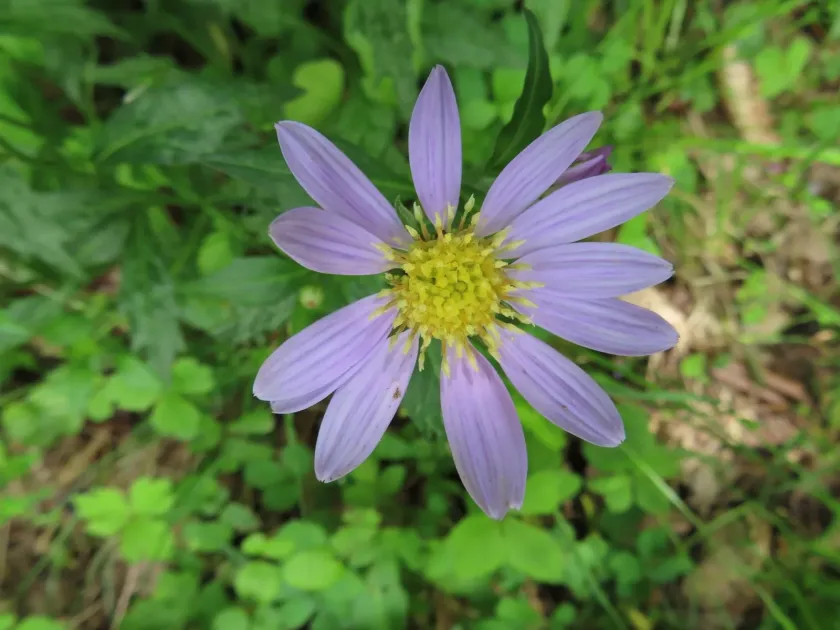
Description
Sowing dates
Sowing seeds of Aster savatieri is best performed in the spring, during April or May, once the soil has warmed up to 10-12 degrees Celsius. Fall sowing directly into the open ground is also possible, as it provides natural stratification, which often improves germination rates the following season.
For earlier flowering, the seedling method is recommended. Seeds should be sown in containers in March, providing them with diffused light and maintaining moderate moisture levels in the substrate until the first true leaves emerge.
Pricking out seedlings is performed at the stage when two pairs of leaves have formed. It is crucial to provide young plants with enough space for root system development to prevent growth retardation during transplanting.
When planting in open ground, maintain a spacing of approximately 30-40 centimeters between plants. This distance is necessary to ensure proper air circulation and reduce the risk of fungal infections.
Choose a well-lit planting location, as insufficient sunlight causes the stems to stretch significantly, leading to a noticeable decrease in flowering intensity.
Growing requirements
Aster savatieri belongs to the Asteraceae family. This perennial herbaceous plant is native to the regions of East Asia, including Japan, where it is typically found on mountain slopes and forest clearings.
The crop prefers loose, well-drained soil with a neutral or slightly acidic reaction. It is vital to avoid areas with stagnant moisture, as excessive wetness can quickly lead to the rotting of the root collar.
The plant displays moderate winter hardiness. In regions with harsh winters and low snow cover, it is advisable to provide light protection with spruce branches or mulch the root zone with peat and fallen leaves.
During the active growth phase, the culture requires regular but moderate watering. In drought periods, maintaining stable soil moisture is key to avoiding total drying of the root-inhabiting layer.
Botanically, the plant is characterized by straight, leafy stems and beautiful composite flower heads. The leaves are typically elongated and often feature characteristic pubescence, which serves as an adaptation to the variable climatic conditions of its habitat.
Main diseases and pests
Fungal diseases such as powdery mildew and rust pose the primary threat to Aster savatieri. Upon the first signs of infestation, it is necessary to apply systemic fungicides to manage the pathogen spread.
Under high humidity conditions, plants may be susceptible to root rot caused by soil-borne pathogenic microorganisms. Prevention includes strict adherence to irrigation schedules and improving the soil's drainage capacity.
Among pests, aphids and spider mites cause the most damage by feeding on the sap of young leaves and flower buds. Appropriate insecticides or acaricides should be used to control these infestations effectively.
Slugs and snails can damage young growth during the spring season, especially in rainy weather. Implementing mechanical barriers or using specialized baits are effective strategies for minimizing this impact.
Regular weeding and the removal of plant debris in the autumn are essential practices. These actions significantly reduce the infectious background of the plot and prevent pests from overwintering in the surface soil layer.