
Pyrenean aster
Aster pyrenaeus Desf. ex DC.
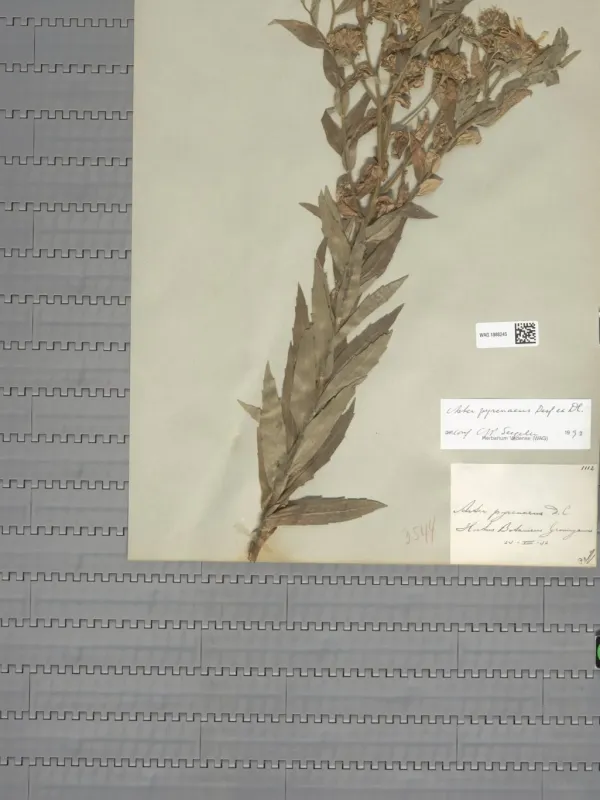
Description
Sowing dates
Sowing seeds of the Pyrenean aster should ideally be done in late winter or early spring to ensure the plant has a full growing season. For best results, use a high-quality seed starting mix that provides adequate drainage and aeration.
Seeds of Aster pyrenaeus may benefit from a cold stratification period to improve germination rates. Place the seeds in a moist medium at low temperatures for 3–4 weeks before moving them to a warmer location for sprouting.
If sowing directly into the garden, wait until the risk of frost has passed. Soil temperatures should be consistently above 15 degrees Celsius to support early seedling development and root establishment.
Space the plants approximately 30–45 centimeters apart to allow for proper airflow and development. Crowding can lead to stunted growth and increased susceptibility to fungal diseases throughout the season.
Keep the soil surface moist but not waterlogged during the germination process. Once seedlings have reached a height of 5 centimeters, reduce watering slightly to encourage deeper root growth.
Growing requirements
The Pyrenean aster thrives in well-draining, moderately fertile soil with a neutral to slightly alkaline pH. It is native to mountainous regions, so it appreciates soil that does not hold excess moisture.
Full sun exposure is vital for the optimal performance of this species. While it can tolerate partial shade, insufficient light often results in weak, spindly stems and reduced flower production.
Climate-wise, this plant is remarkably cold-hardy, adapting well to cool summers and moderate winters. However, in regions with very hot and humid summers, providing afternoon shade can help sustain the plant's health.
Consistent watering during the growing season is necessary for healthy blooms. Apply water directly to the base of the plant to keep the foliage dry, which helps reduce the risk of common fungal issues.
Apply a balanced, slow-release fertilizer in early spring to support the plant’s nutritional needs. Avoid high-nitrogen fertilizers later in the season, as they can cause excessive vegetative growth at the expense of flowers.
Main diseases and pests
Powdery mildew is the most common threat to the Pyrenean aster, particularly in areas with poor ventilation and high humidity. It appears as a white, powdery coating on leaves and stems.
Root rot occurs in heavy or waterlogged soils. This disease is difficult to treat once established, so prioritizing soil drainage at the time of planting is the most effective preventative measure.
Aphids are typical pests that infest the tips of young shoots. Regular monitoring and, if necessary, the application of insecticidal soaps can help manage aphid populations without harming beneficial insects.
Spider mites can become problematic during hot, dry periods. They create fine webbing on the leaves, leading to yellowing and eventually the premature death of the foliage if left uncontrolled.
Maintaining a clean garden environment by removing dead plant debris at the end of the season significantly reduces the overwintering sites for both pests and disease spores.
Harvesting
The Pyrenean aster is primarily grown for its aesthetic value in landscape design. Its late-summer blooming cycle makes it a valuable addition to borders and perennial gardens.
For cut flowers, harvest the stems when the blooms are about one-third open. Re-cutting the stems under water and placing them in a clean vase helps maximize their longevity.
Seed collection requires patience; allow the flowers to fade and the seed heads to dry naturally on the stem. Collect the seeds just as the pappus begins to fluff to ensure they are fully mature.
Post-flowering care involves cutting the stems down to a few centimeters above the ground. This practice prevents the plant from expending energy on seed production and prepares it for winter dormancy.
By integrating this species into perennial beds, gardeners can enjoy high visual appeal with relatively low maintenance. It pairs well with other alpine or rock garden plants that share similar moisture requirements.