
Asarum minamitanianum
Asarum minamitanianum
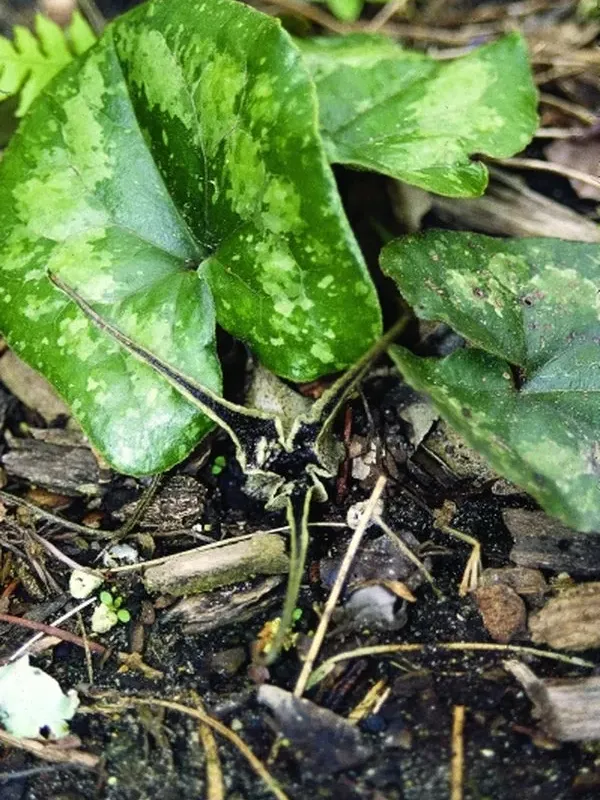
Description
Growing requirements
Asarum minamitanianum is a rare perennial herbaceous plant belonging to the Aristolochiaceae family. Originating from the forest floors of Japan, this species is highly valued for its dense foliage and adaptability to shade-dominated environments.
The plant thrives in rich, moist, and well-draining soils that mimic the natural leaf mold of a woodland environment. It prefers slightly acidic conditions, making it an excellent candidate for shaded garden borders or rockeries with appropriate soil amendments.
Environmental requirements include a stable, shaded location with high ambient humidity. Direct exposure to intense sunlight is detrimental, often resulting in severe leaf scorch and dehydration of the plant's delicate tissues.
Cultivation practices involve regular monitoring of soil moisture levels. During the active growing season, it is essential to ensure that the root zone remains consistently damp, but never waterlogged, to prevent physiological stress.
Asarum minamitanianum exhibits slow to moderate growth, spreading via creeping rhizomes. It is best used as a ground cover in areas where other plants fail to thrive due to deep shade conditions, contributing to a lush and aesthetic garden appearance.
Main diseases and pests
Gastropod pests, specifically slugs and snails, are the primary biological threat to the health and aesthetic value of the plant. They tend to graze on the succulent leaves, especially during periods of high rainfall or irrigation.
Fungal diseases represent a significant threat if air circulation is insufficient. High humidity combined with stagnant air often leads to the development of gray mold (Botrytis) and various types of leaf spot diseases.
Root rot is a pervasive issue caused by inadequate drainage or over-watering. Once the rhizome system is compromised by anaerobic soil conditions, the plant's ability to uptake nutrients is severely diminished, often leading to rapid decline.
Pest management focuses on maintaining a clean environment and implementing manual control or baiting strategies during the peak activity season of mollusks. Reducing moisture around the crown can also deter pest accumulation.
Regular sanitation, such as the removal of dead or decaying foliage during the late autumn, helps to lower the inoculum levels of pathogens, effectively reducing the risk of disease outbreaks in the following spring season.