
British Columbia wild ginger
Asarum caudatum
Description
Sowing dates
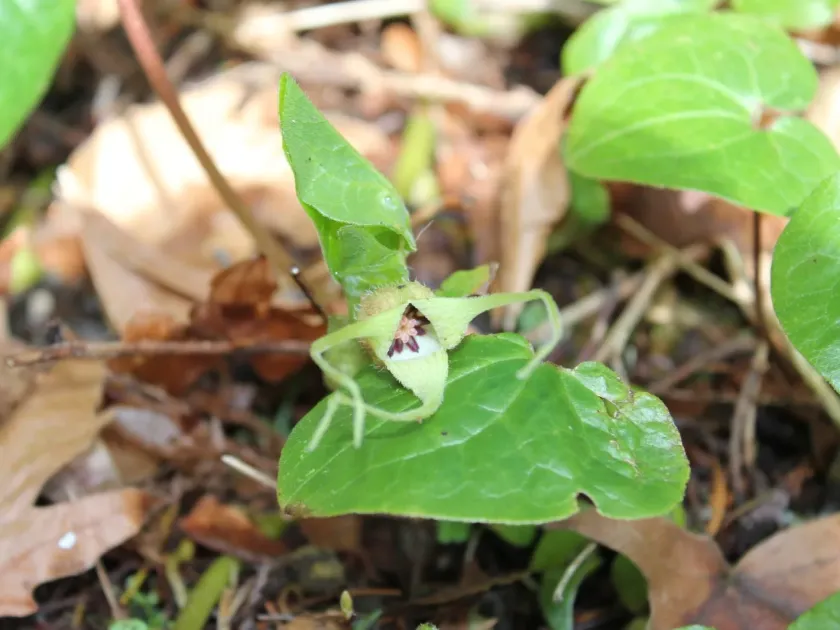
Asarum caudatum, commonly known as British Columbia wild ginger, is a perennial plant belonging to the Aristolochiaceae family. It is primarily propagated by dividing the rhizomes in the early spring before the plant enters its active growth phase.
The best practice is to lift a mature clump and carefully separate it into sections, each containing at least one healthy bud and sufficient root system. This ensures successful establishment in a new location.
Seed propagation is possible but less common due to long germination times. Seeds should be sown immediately after harvest or kept in a cold environment for stratification, ideally mimicking a natural winter cycle to break seed dormancy.
When planting, ensure the rhizomes are placed horizontally at a depth of about 3-5 centimeters. The soil should be kept consistently moist following the transplant to encourage rapid root development.
Spacing is essential for groundcover management; planting the divisions about 25-30 centimeters apart will allow them to fill in the space completely within one to two growing seasons.
Growing requirements
This species thrives in deep to partial shade, making it a perfect candidate for woodland gardens or shaded borders. Excessive sunlight often leads to scorching and bleaching of its iconic heart-shaped evergreen leaves.
Soil requirements for Asarum caudatum include high organic content, good drainage, and consistent moisture. A rich loam soil enriched with leaf mold or compost provides the ideal substrate for vigorous growth.
The plant is highly adaptable and hardy, capable of surviving harsh winters without special protection. It prefers a stable environment where the roots remain cool and protected by a layer of organic mulch.
Watering is a critical component of its care regimen. As a moisture-loving woodland plant, it should never be allowed to dry out completely, especially during the warm summer months when transpiration rates are high.
Fertilization is generally minimal for established plants, but an annual top-dressing of organic matter or compost in early spring will maintain soil fertility and support the plant's long-term health.
Main diseases and pests
Slugs and snails are the most significant pests for British Columbia wild ginger. These gastropods feed on the lush, thick leaves, leaving behind characteristic irregular holes that affect the plant's aesthetic appeal.
Integrated pest management strategies, such as physical barriers, beer traps, or organic iron phosphate baits, are effective in protecting the foliage from mollusk damage during humid periods.
Root rot remains the most common disease, usually triggered by waterlogged soil and poor air circulation. Providing a well-draining soil medium is the primary defense against such fungal complications.
Leaf spots or wilting can indicate underlying issues such as improper pH or poor site selection. Routine inspection allows the gardener to prune affected parts before the issue spreads throughout the colony.
With correct environmental conditions, this plant is largely trouble-free. Maintaining good hygiene by removing debris around the base of the plant further reduces the risk of fungal infections.